
Stainless Steel Bar and Rod
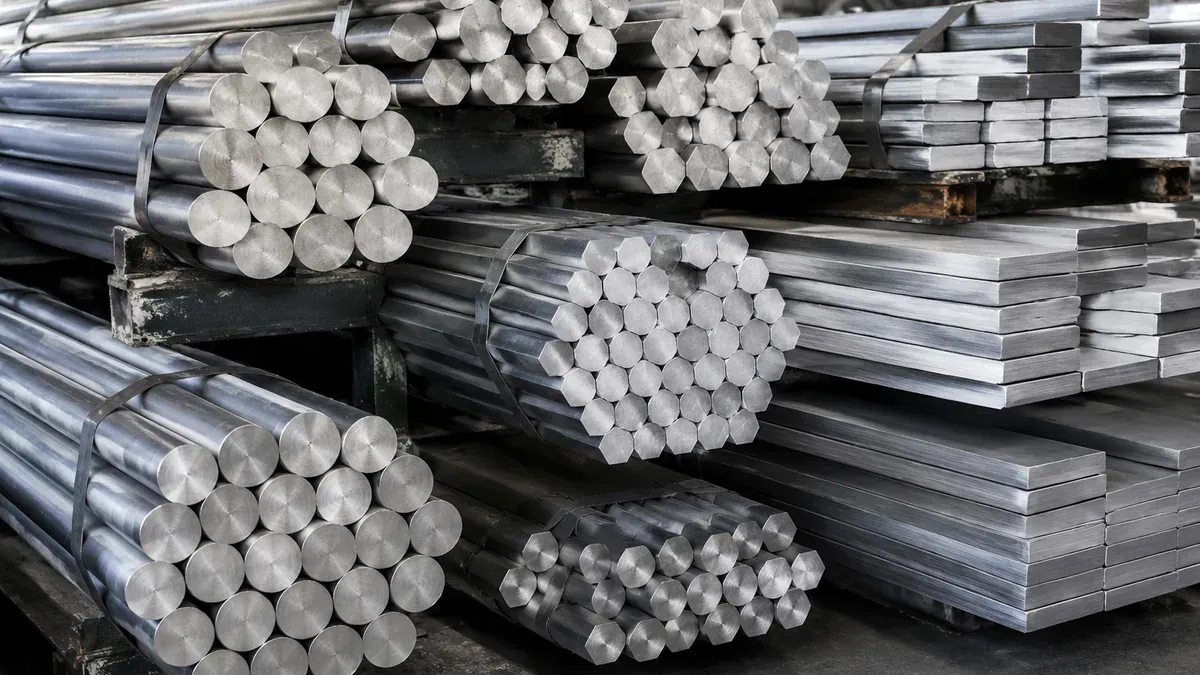
Order stainless round, flat, square and hex bar by grade, condition, size tolerance, straightness, surface and machining allowance.
Bar and rod procurement connects shape, metallurgical condition, surface route and dimensional tolerance to the buyer’s machining or fabrication plan. Round, flat, square, hexagonal, threaded bar and wire rod do not share one dimensional description. State diameter, width and thickness, side dimension or across-flats as appropriate, then add ordered length and quantity by size. The product standard and intended component establish whether the material is general-purpose bar, pressure-equipment stock, precipitation-hardening material or another controlled condition.
Surface route affects both available tolerance and machining allowance. Hot-rolled bar may suit heavy removal, while peeled material removes the rolled surface and bright-drawn or ground bar supports progressively tighter size and finish requirements. These names do not replace numerical acceptance. State diameter or across-flats tolerance, out-of-round, straightness over a defined length, surface condition and the stock allowance needed after clamping or heat treatment. For hex and square forms, corner condition, twist and across-flats measurement can matter as much as nominal size.
Metallurgical condition must follow the drawing and downstream process. Austenitic machining bar, duplex bar and precipitation-hardening grades have different heat-treatment, welding and machining implications. If hardness, tensile properties, PMI or ultrasonic examination is required, identify the standard, acceptance basis, sampling and report before sourcing. For cut blanks, include saw-cut or machined length tolerance, squareness, chamfer, center preparation and piece identification. Heat numbers must remain linked to pieces after cutting whenever the purchase order requires traceability.
Send bundle weight, support points, wrap, end protection and marking by size and heat with the RFQ. We quote the shape, condition, tolerance, cut operation and inspection package together, not a nominal diameter alone. The quotation names the accepted bar route for that order.
What to send for a quotation
- Which bar shape, condition and product standard govern the requirement?
- What size tolerance, straightness and surface condition does machining require?
- Is the material hot rolled, peeled, drawn, ground or solution treated and aged?
- Are cut blanks, machining allowance or end preparation required?
Product form matrix
Choose the product form first. We quote the matching purchase standard and dimensional description for that form.
| Product form | Reference standards | How to state dimensions | Common uses |
|---|---|---|---|
| Round bar | ASTM A276/A276M; ASTM A479/A479M | Diameter by length with tolerance class, straightness and surface condition. | shafts, valves, machined components |
| Hex or square bar | ASTM A276/A276M; EN 10088-3 | Across-flats or side dimension by length with corner, twist and straightness limits. | fasteners, fittings, precision machining |
How to choose
- Match alloy condition and heat treatment to strength, corrosion and machining requirements.
- Choose hot rolled, peeled, drawn or ground surface from final tolerance and allowance.
- State shape-specific dimensions such as diameter, across-flats or side size.
- Send cut length, chamfer and marking needs with the RFQ.
Dimensions and tolerances
Bar is ordered by shape-specific size and length, with tolerance class, straightness, out-of-round, corner condition, surface route and machining allowance defined where necessary.
Send the ordered sizes and any tighter project tolerances. We quote the matching bar & rod route against the governing dimensional system.
Processing and finishing
- Select hot-rolled, peeled, bright-drawn or ground condition from final diameter tolerance, surface integrity and machining allowance rather than appearance alone.
- Define cut length, saw allowance, chamfer, center preparation or other end work together with the drawing datum and identification requirement.
- State any heat treatment, straightening or surface-restoration restriction that applies after cutting or fabrication, especially for duplex and precipitation-hardening grades.
Pickled & PassivatedNo.4Stainless Steel Laser CuttingStainless Steel Waterjet CuttingCustom Packaging and Export Loading
Inspection and documents
- Check size, length, straightness, out-of-round or twist against the ordered condition.
- Verify material condition, heat treatment and mechanical testing required by the standard.
- Maintain heat identification through cutting when traceability is ordered.
Packing and handling risks
RISK 01
Long small-diameter bars can bend when bundles are lifted at unsuitable points.
RISK 02
Ground and bright surfaces can be scratched or stained by wet or contaminated wrapping.
RISK 03
Mixed diameters or heats require clear bundle and piece identification.
Detailed stainless steel products
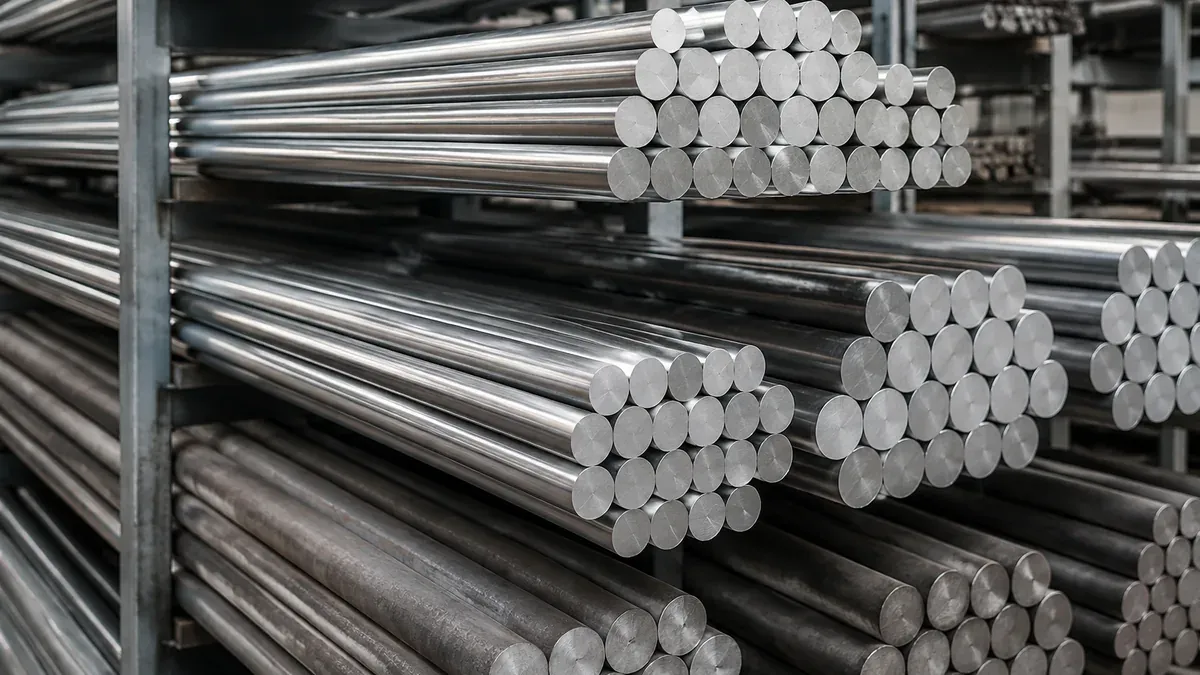
304 Stainless Steel Round Bar
304/304L round bar in bright, peeled or hot-finished routes. Common inquiry range 3–300 mm diameter, 3 m / 6 m or cut-to-length, for pins, shafts and fittings.
View details →
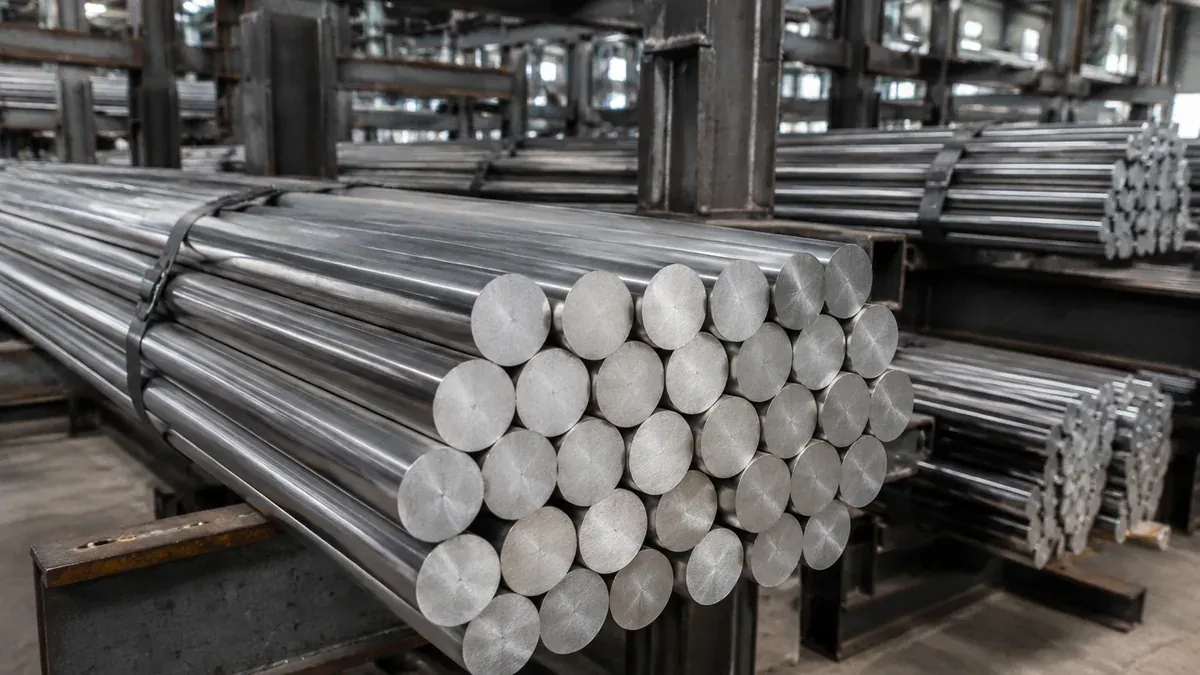
2205 Duplex Stainless Steel Round Bar
2205 duplex (S32205) solution-annealed round bar. Common inquiry range 10–250 mm, 3 m / 6 m or cut-to-length, with quoted ferrite and corrosion checks.
View details →
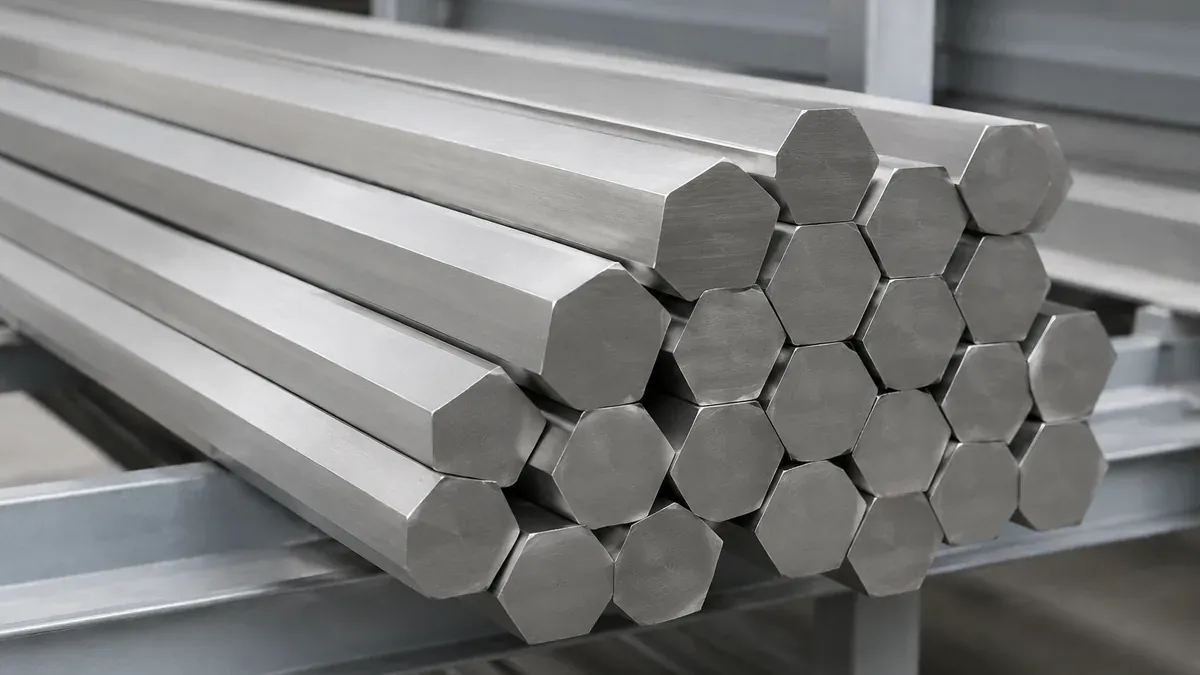
303 Stainless Steel Hex Bar
303 free-machining stainless steel hex bar in cold-drawn condition for turned and milled fittings, fasteners and components where machining productivity is the priority.
View details →
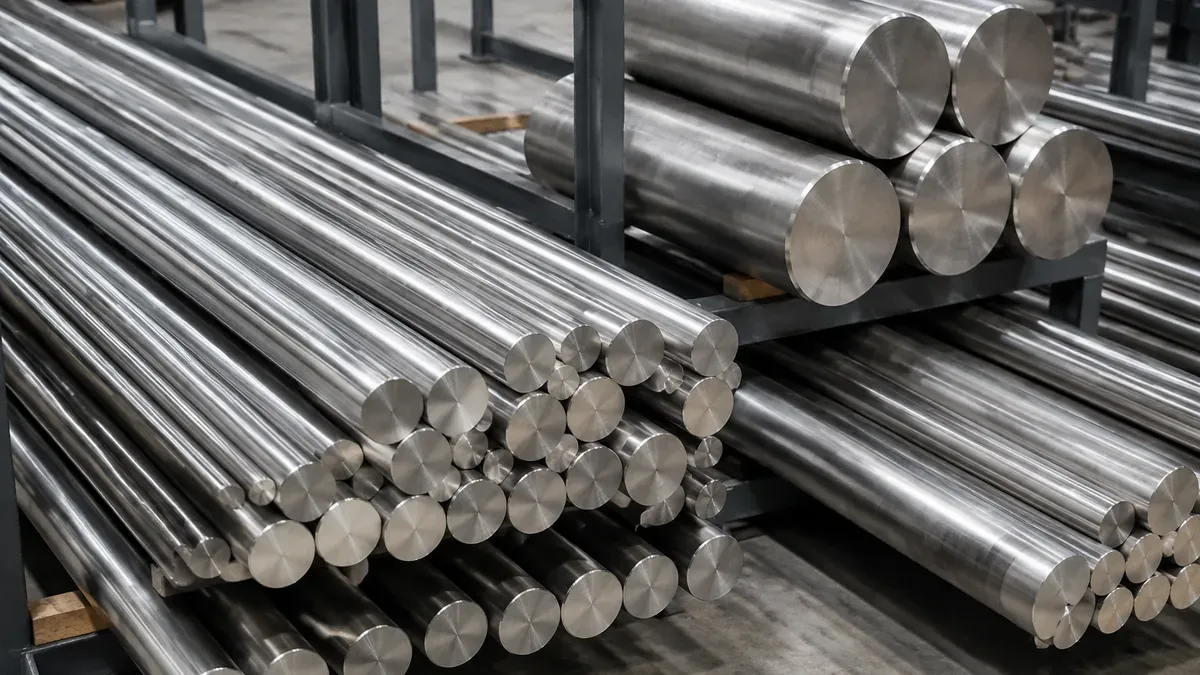
17-4 PH Stainless Steel Round Bar
17-4 PH precipitation-hardening stainless steel round bar supplied in solution-treated or aged condition for high-strength shafts, valve parts and precision components.
View details →
Related grades, standards and applications
Published standards
Application guides
Frequently asked questions
Which size tolerance should be stated for round bar?
Name the governing dimensional basis or explicit diameter tolerance together with surface condition and machining allowance.
What is the difference between peeled and ground bar?
Peeling removes the hot-rolled surface and supports dimensional control, while grinding is used when tighter finish or size requirements apply.
Why is material condition important for precipitation-hardening bar?
Solution-treated and aged conditions have different strength, machining and subsequent heat-treatment implications that must match the drawing.
How should cut bar blanks be specified?
Include cut length and tolerance, squareness or chamfer, machining allowance, identification, quantity per size and packing method.
Category RFQ checklist
Send the following details by size and line item. We quote the matching route, inspection plan, packing method and delivery window.
- 01Grade, condition and product standard
- 02Round, flat, square, hex or other shape
- 03Size, length and quantity
- 04Size tolerance and straightness
- 05Surface condition and machining allowance
- 06Cut, chamfer or end requirements
- 07Mechanical tests and documents
- 08Identification, packing and destination
Need a Bar & Rod quotation?
Send product, grade and quantity. We quote the confirmed supply route.