
EN 10204 3.1 vs 3.2 for Stainless Steel Buyers
Compare EN 10204 Type 3.1 and Type 3.2 for stainless steel orders: who validates the certificate, when 3.2 is required, and RFQ wording that stops document substitution.
Published Sep 6, 2026 · Technical content updated: Sep 6, 2026 ·Tsingshan (Shandong) Iron & Steel Co., Ltd.
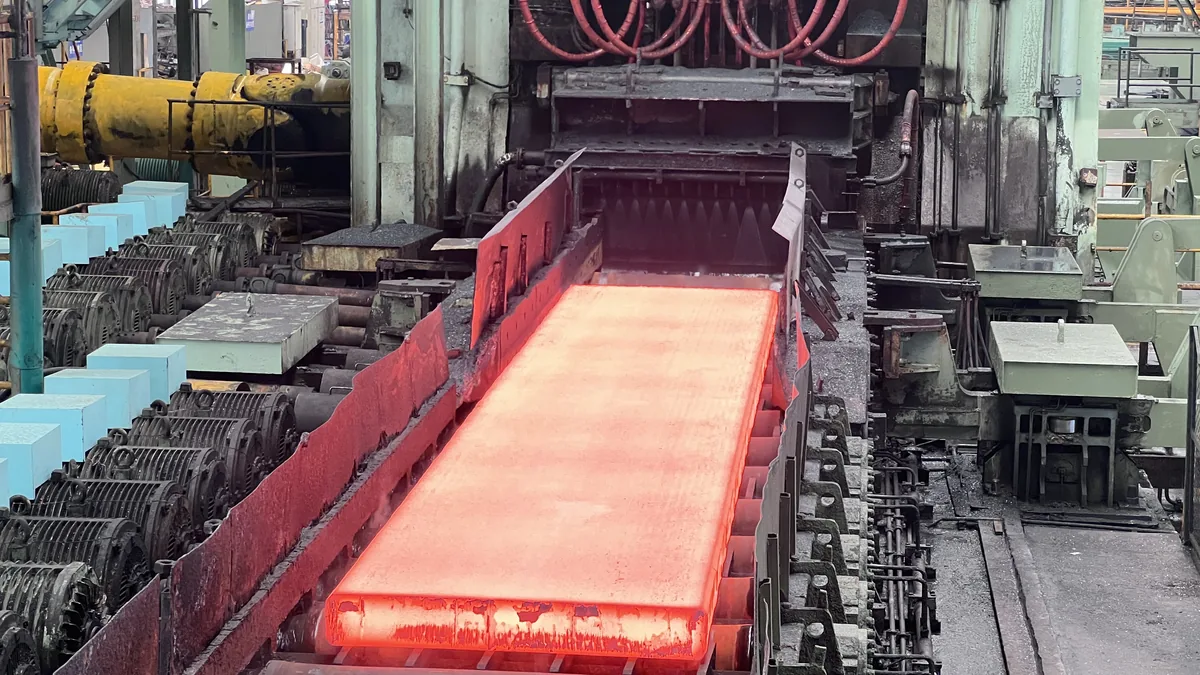
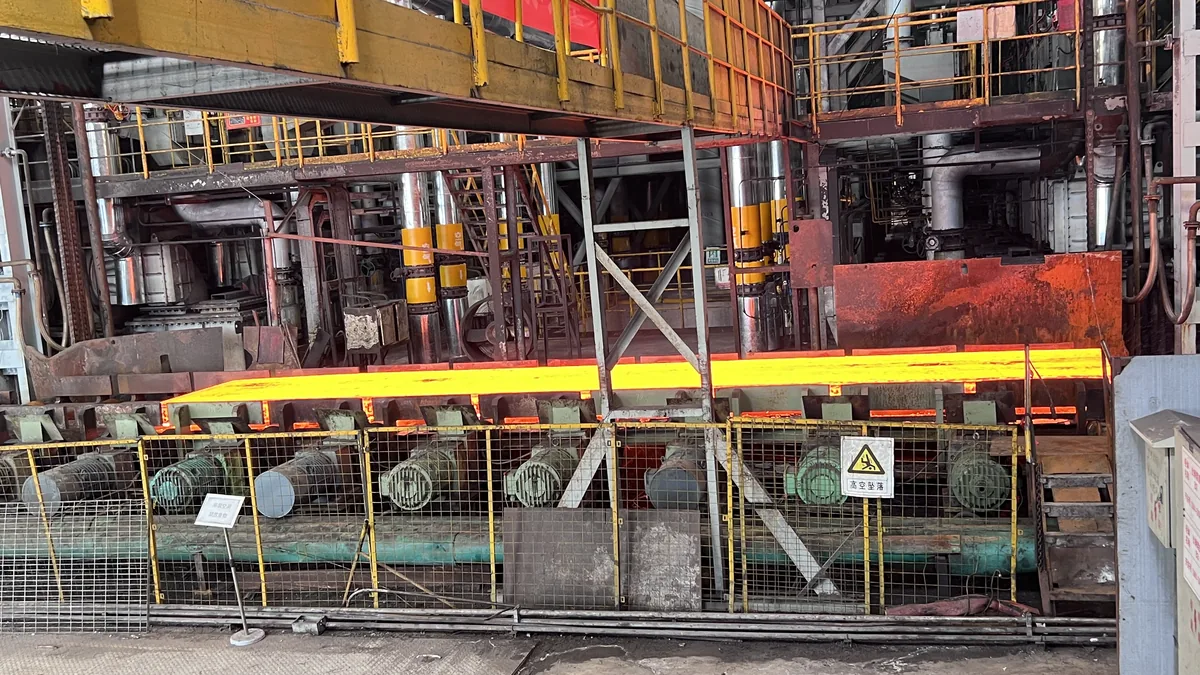
Reference image for this topic; it does not show Tsingshan Steel facilities, inventory or completed orders.
Introduction
Featured answer: For stainless steel purchases, treat EN 10204 Type 3.1 and Type 3.2 as named inspection-document types with different validation parties—not as synonyms for “better mill quality.” Order 3.1 when specific inspection results validated by the manufacturer’s authorized inspection representative (independent of manufacturing) meet the project. Order 3.2 when the contract also requires validation by the purchaser’s authorized representative or an inspector designated by official regulations or the order. Write the type, named party, product standard and test scope on the same RFQ line.
Buyers lose time when an inquiry says “MTC required” and one mill quotes Type 3.1 while another prices Type 3.2 with a third-party witness. Both documents can report heat-traceable chemistry and mechanical results and still fail the client document package. The dispute is rarely about chromium or nickel. It is about who validates the inspection certificate and whether that route was frozen before production.
If you still need a field-by-field receiving checklist—matching heat numbers, dimensions and test methods—use the live how to read a mill test certificate guide. This article stays on the 3.1 vs 3.2 certificate-type and inspection-party decision for stainless steel.
Direct answer: choose 3.1 or 3.2 for stainless steel
Use this filter before approving a quotation:
- Project or regulation names Type 3.2 / independent validation: order Type 3.2. Name the inspection body or purchaser representative early enough for mill booking.
- Project names Type 3.1 or “manufacturer inspection certificate with specific results”: Type 3.1 is usually the commercial route if grade, product standard, tests and marking match.
- RFQ only says “MTC” or “mill cert”: do not award yet. Ask whether the client list means 3.1, 3.2 or another named document.
- Supplier offers a third-party stamp on an existing stock 3.1 PDF as “same as 3.2”: treat that as a different document route. Accept it only if the purchase order and project rules allow that route in writing.
- Both types are acceptable: request separate prices and lead times for 3.1 and 3.2 on identical grade, size, tests and packing. Award one type in writing.
| Buyer condition | Preferred type | RFQ action |
|---|---|---|
| Client list, datasheet or regulation names 3.2 / purchaser or independent validation | Type 3.2 | Name the inspection party and booking window |
| Project accepts manufacturer-validated specific inspection | Type 3.1 | State 3.1; ban silent upgrade or downgrade after award |
| Inquiry only says “MTC required” | undecided | Freeze EN 10204 type before pricing comparison |
| Quote mixes 3.1 price with 3.2 delivery promise | undecided | Separate prices, parties and document samples |
Start from the quality-control workflow and stainless product range only after the document type is clear. A certificate filename does not disclose who validated it.
What EN 10204 Type 3.1 and Type 3.2 mean on the order
EN 10204 classifies metallic-product inspection documents. Commercial stainless RFQs most often cite Inspection Certificate 3.1 or 3.2. Confirm the edition named in your contract; wording below follows the widely used EN 10204:2004-style summaries and must be checked against the edition you ordered.
In practical purchasing terms:
- Type 3.1: the manufacturer declares that the products comply with the order and supplies specific inspection results. The document is validated by the manufacturer’s authorized inspection representative, who must be independent of the manufacturing department.
- Type 3.2: the same kind of specific-inspection statement and results, validated by the manufacturer’s authorized inspection representative and by the purchaser’s authorized inspection representative or the inspector designated by the official regulations (or as named in the order).
Both types are stronger than a declaration-only or non-specific report route when the project needs batch-related results. Neither type invents chemistry tables, tensile limits, corrosion tests or NDE. Those come from the governing product standard family on the standards hub, the grade, the thickness or size range and the purchase order.
| Topic | Type 3.1 | Type 3.2 |
|---|---|---|
| Inspection basis | Specific inspection results for the supplied products | Specific inspection results for the supplied products |
| Manufacturer validation | Authorized inspection representative independent of manufacturing | Same manufacturer validation retained |
| Second validation party | Not required by the type itself | Purchaser authorized representative or designated independent inspector |
| Typical commercial use | General stainless supply when the client accepts manufacturer validation | Critical service or client lists that demand independent or purchaser countersignature |
| What it does not set alone | Chemistry or mechanical numeric limits | Chemistry or mechanical numeric limits |
Edition-specific titles, footnotes and national adoptions can differ. If the project cites an older or national adoption of EN 10204, copy that citation into the RFQ instead of assuming a blog summary.
When Type 3.2 is required for stainless projects
Require Type 3.2 when any of the following is true:
- the material requisition, piping class or approved-vendor list states EN 10204 3.2;
- official regulations or the notified body package for the equipment name independent validation of the inspection document;
- the purchaser will not accept manufacturer-only validation for that heat or lot;
- the end user has named a specific inspection agency or purchaser inspector who must validate the certificate.
Type 3.2 is not automatically required merely because:
- the fluid is corrosive;
- the grade is 316L or duplex;
- the buyer wants “better quality”;
- another line on the same project used 3.2 historically;
- a trader offers a cheaper mill 3.1 PDF with a later office stamp.
Pressure design, corrosion allowance and welding procedure still depend on the product standard and code rules. A 3.2 heading does not replace engineering calculation, and a 3.1 heading does not make material unfit when the specification allows manufacturer validation.
If the only real need is heat-traceable chemistry and mechanical results under a named product standard, ask whether the client document actually bans Type 3.1 before paying for third-party coordination.
Mill, stockist and third-party routes buyers confuse
Document disputes often start in the supply chain, not in the lab.
- Mill-direct Type 3.1: usually the clearest commercial route when the mill is the manufacturer and the QA representative validates under the ordered type.
- Mill Type 3.2 with named agency: book the inspection party before melting or final testing so witness points and sampling are not invented after the fact.
- Stockist or trader with mill 3.1 on file: may be acceptable for Type 3.1 when identity is unbroken and the project allows that route. It is not automatically Type 3.2.
- Property-changing processing: cutting to length may be different from remelting, heat treatment or other manufacturing steps that change who is treated as manufacturer. Do not assume a warehouse stamp recreates mill 3.2; ask the available legal and contractual document route.
- “Intent of 3.2” or similar commercial phrases: some inspection bodies use careful wording for stock material. Treat those phrases as a different offer until the purchase order accepts them.
For trust and company document practice, see certifications and the quality-control overview. For matching certificate fields to tags after the type is chosen, return to the MTC reading guide.
Common Buyer Mistakes
- Writing “MTC required” with no EN 10204 type. Mills quote different document routes and both look like mill certificates.
- Treating Type 3.2 as a chemistry upgrade. Limits still come from the product standard and ordered tests.
- Naming Type 3.2 without naming the inspection party. Lead time and cost are undefined until the agency or purchaser inspector is booked.
- Accepting a third-party stamp on an old stock PDF as automatic 3.2. Party, timing and manufacturer status must match the ordered type.
- Comparing a 3.1 unit price to a 3.2 all-in price without separating inspection fees. Award decisions become distorted.
- Skipping language, delivery format and revision control. A scanned image with no searchable identifiers slows receiving even when the type is correct.
- Forgetting supplementary tests. PMI, corrosion testing, NDE or hydrostatic extras are not created by a 3.1 or 3.2 heading alone.
Put the certificate type into the RFQ
Copy this block into the inquiry and keep one awarded type:
- Product form, grade and governing product standard + edition
- Dimensions, tolerance, finish and delivery condition
- EN 10204 inspection document type: 3.1 or 3.2 (no “MTC” shorthand)
- For Type 3.2: named inspection party (purchaser representative or designated agency) and booking responsibility
- Sampling unit, heat or lot identity rules and marking transfer after cutting
- Supplementary tests and witness points (PMI, corrosion, NDE, hydro, roughness) listed separately
- Document language, electronic format, revision control and delivery deadline
- Packing and identity preservation so the certificate still matches the shipment
Tsingshan (Shandong) Iron & Steel Co., Ltd. (Tsingshan Steel) can review whether a mill-direct or partner-mill route can support the named document type for your stainless line items. Email sales@tsingshansts.com, WhatsApp +86 176 8661 3207, or send the complete specification. We quote EN 10204 3.1 or 3.2 only when that supply route and inspection party plan can support it; original mill 3.2 is not assumed for every stock shipment.
Sources and application limits
This guide supports purchasing decisions. The ordered product standard, project specification and approved inspection plan control the final decision.
- EN 10204 inspection document type definitions as commonly summarized for Inspection Certificate 3.1 and 3.2 (confirm ordered edition)
- Manufacturer authorized inspection representative independent of the manufacturing department for Type 3.1 validation practice
- Type 3.2 dual validation by manufacturer authorized representative and purchaser authorized representative or inspector designated by official regulations
- Purchase-order practice that product standards and ordered tests set acceptance limits, not the EN 10204 type heading alone
Technical content updated: Sep 6, 2026
Frequently Asked Questions
What is the difference between EN 10204 3.1 and 3.2 for stainless steel?
Both Type 3.1 and Type 3.2 are inspection certificates with specific inspection results for the supplied products. Type 3.1 is validated by the manufacturer's authorized inspection representative, independent of manufacturing. Type 3.2 keeps that manufacturer validation and adds validation by the purchaser's authorized representative or an inspector designated by official regulations or the order. Confirm the edition named on your contract.
When is EN 10204 Type 3.2 required?
Require Type 3.2 when the project specification, client approved-vendor list, pressure-equipment rules or purchase order names independent or purchaser validation. Do not assume every pressure or corrosive service automatically needs 3.2 if the documents only name Type 3.1.
Does Type 3.2 change chemistry or mechanical property limits?
No. Chemistry, mechanical properties, sampling and supplementary tests come from the governing product standard, grade and purchase order. The EN 10204 type mainly changes who validates the inspection document, not the numeric limits by itself.
Can a stockist or trader PDF stamped by a third party replace mill Type 3.2?
Not automatically. Ask whether the issuer is acting as manufacturer under the ordered route, whether heat or lot identity is unbroken, and whether the named inspection party validated the document under the Type 3.2 rules your contract cites. Clarify the available document route before award.
Send the product form, grade and quantity from this guide. We quote the matching stainless route.
Ready to quote your stainless specification?
Send product, grade and quantity. We quote the confirmed supply route.