
Stainless Steel Profiles and Sections
Source stainless angles, channels, beams, T-bars and custom sections by standard size or drawing, route, tolerance, weld and finish.
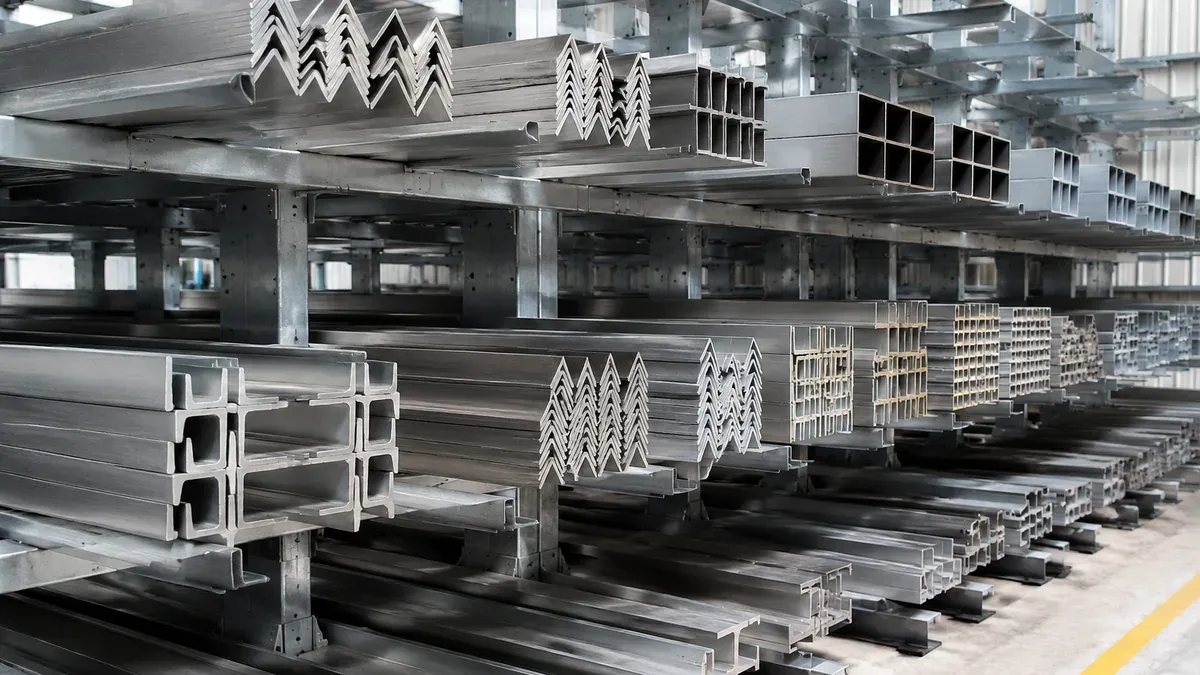
Profile purchasing depends on whether the geometry is a standard section or a drawing-controlled formed or welded component. Standard angle, channel, I, H or T sections can begin with a recognized designation and material standard, but the RFQ should still state actual leg, web, flange, thickness and length requirements. A custom section needs a controlled drawing from the outset. Names such as “stainless channel” are insufficient when radii, taper, asymmetry or mating datums control the finished assembly.
The permitted manufacturing route changes the section. Hot-rolled, cold-formed and welded profiles can differ in corner radii, surface, residual distortion, weld location and dimensional availability. If the design allows more than one route, say so; if it requires a particular route, state the technical reason and acceptance criteria. Welded built-up profiles may require weld preparation, procedure requirements, distortion control, cleaning and surface restoration. A first article can establish geometry and visible-face acceptance before a project quantity proceeds, especially when tooling or multi-step forming is involved.
Dimension the section from useful datums. Include leg, web and flange dimensions, material thickness, inside and outside radii, included angles, cut length, hole or feature positions and mating surfaces. Straightness, bow, sweep, camber and twist need a measurement length and datum rather than an undefined request for a “straight profile.” Drawing revision, units, tolerances and inspection points should appear together. Where connection holes or welded attachments are included, identify whether dimensions apply before or after welding and finish restoration.
Send the drawing, first-article plan, visible-face finish and packing orientation with the RFQ. We quote the production route, dimensional feasibility and packing unit after reviewing the drawing and quantity.
What to send for a quotation
- Is the section a standard rolled shape or a custom formed or welded profile?
- Which drawing dimensions, radii, straightness and twist limits control acceptance?
- Does the fabrication route require a qualified weld procedure or first article?
- Which surface condition and handling protections apply to visible faces?
Product form matrix
Choose the product form first. We quote the matching purchase standard and dimensional description for that form.
| Product form | Reference standards | How to state dimensions | Common uses |
|---|---|---|---|
| Standard angle or channel | ASTM A276/A276M; EN 10088-3 | Leg or web and flange dimensions by thickness and length, including straightness. | frames, supports, architectural fabrication |
| Custom formed or welded profile | Approved drawing; Project fabrication specification | Controlled drawing dimensions, bend radii, weld route, straightness, twist and cut length. | equipment frames, facade systems, project-specific sections |
How to choose
- Confirm whether a rolled, cold-formed or welded route is acceptable for the design.
- Match section standard and grade to structural, corrosion and fabrication requirements.
- Define visible faces and finish before selecting forming and welding operations.
- Use a first article or dimensional report when custom geometry has critical datums.
Dimensions and tolerances
Standard sections use published shape dimensions while custom profiles require a controlled drawing covering material thickness, radii, welds, straightness, twist, length and datum-based tolerances.
Send the ordered sizes and any tighter project tolerances. We quote the matching profiles route against the governing dimensional system.
Processing and finishing
- Define whether the acceptable route is hot rolled, cold formed, welded or a combination, because route changes radii, welds, distortion and available section geometry.
- Attach the controlled drawing for laser cutting, forming and welding, including datums, bend radii, weld preparation, finish restoration and first-article approval points.
- Identify visible faces and select No. 4, hairline, mirror or bead-blasted finishing with grain direction and protection appropriate to fabrication and installation.
No.4HairlineMirror / 8KBead BlastedStainless Steel Laser CuttingStainless Steel Bending and FormingStainless Steel Welding and Custom FabricationStainless Steel Polishing and Surface FinishingCustom Packaging and Export Loading
Inspection and documents
- Measure section dimensions, wall or thickness, length, straightness, twist and squareness.
- Inspect ordered weld geometry and surface treatment against the approved drawing.
- Preserve material and drawing revision traceability through custom fabrication.
Packing and handling risks
RISK 01
Long asymmetric profiles can twist or bend when unsupported during lifting.
RISK 02
Nested sections can rub visible surfaces unless separated at contact points.
RISK 03
Custom sections require piece marks that remain aligned with drawing revisions.
Detailed stainless steel products
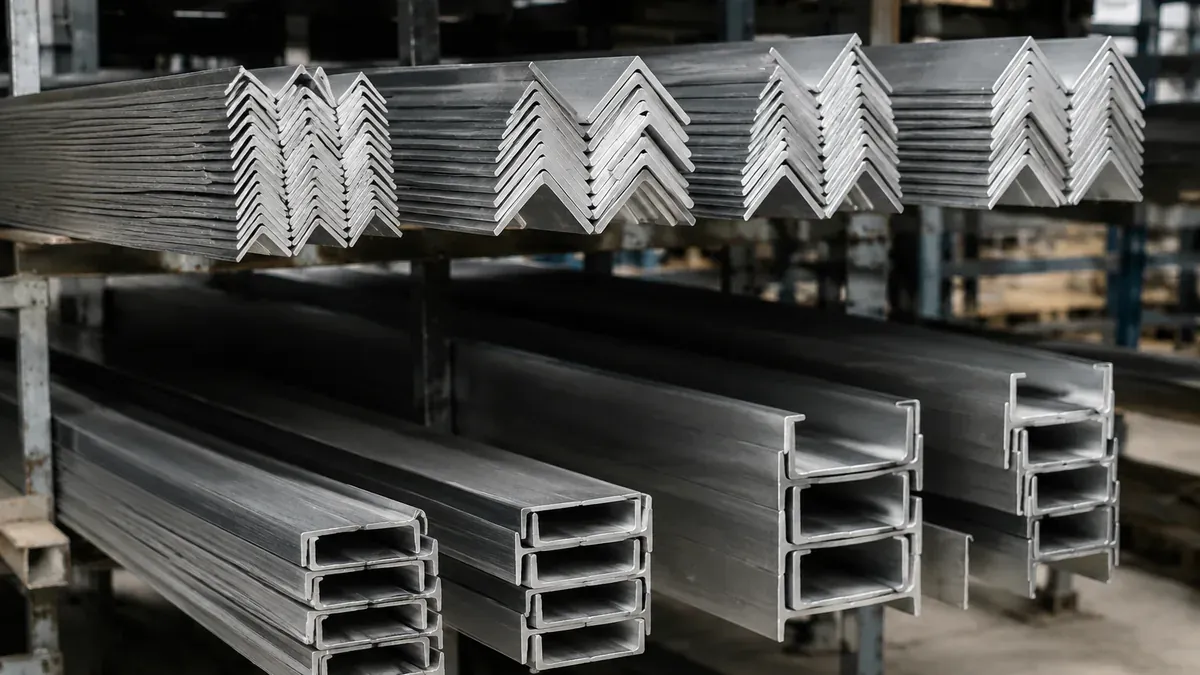
304 Stainless Steel Angle and Channel
304 and 304L stainless steel angle and channel in hot-rolled, laser-welded or formed construction for frames, supports and architectural fabrication.
View details →
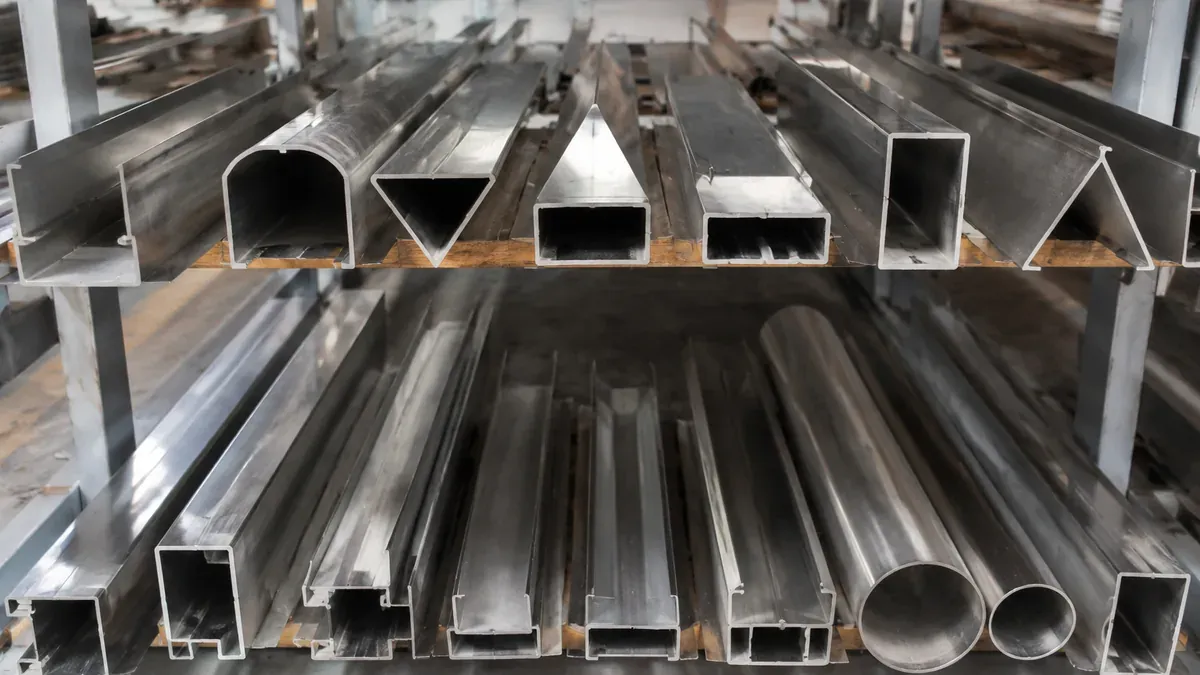
316L Stainless Steel Custom Profiles
316L custom stainless steel profiles formed, roll-formed or laser welded to drawing for marine, process, architectural and equipment applications.
View details →
Related grades, standards and applications
Published standards
Application guides
Frequently asked questions
What drawing data is required for a custom stainless profile?
Provide material grade, thickness, complete section geometry, radii, datums, tolerances, weld details, finish, length and revision status.
Can a welded profile replace a rolled stainless section?
Only after the design accepts the production route, weld procedure, heat input, distortion, inspection and resulting section properties.
Which straightness information should an RFQ include?
State the measurement length, datum and allowable bow, sweep or twist rather than using a general straightness request.
When is a first article useful for profile orders?
A first article is useful when custom geometry, visible surfaces or mating datums require approval before the remaining production quantity.
Category RFQ checklist
Send the following details by size and line item. We quote the matching route, inspection plan, packing method and delivery window.
- 01Grade and applicable material standard
- 02Standard section designation or controlled drawing
- 03Dimensions, thickness, radii and length
- 04Straightness, twist and datum tolerances
- 05Rolled, formed or welded route restrictions
- 06Weld, finish and visible-face requirements
- 07First-article and inspection documents
- 08Piece marking, packing and destination
Need a Profiles quotation?
Send product, grade and quantity. We quote the confirmed supply route.