
Stainless Steel Wire and Mesh
Specify stainless wire and woven or welded mesh by alloy, diameter, temper, aperture, weave, edge, spool and final application.
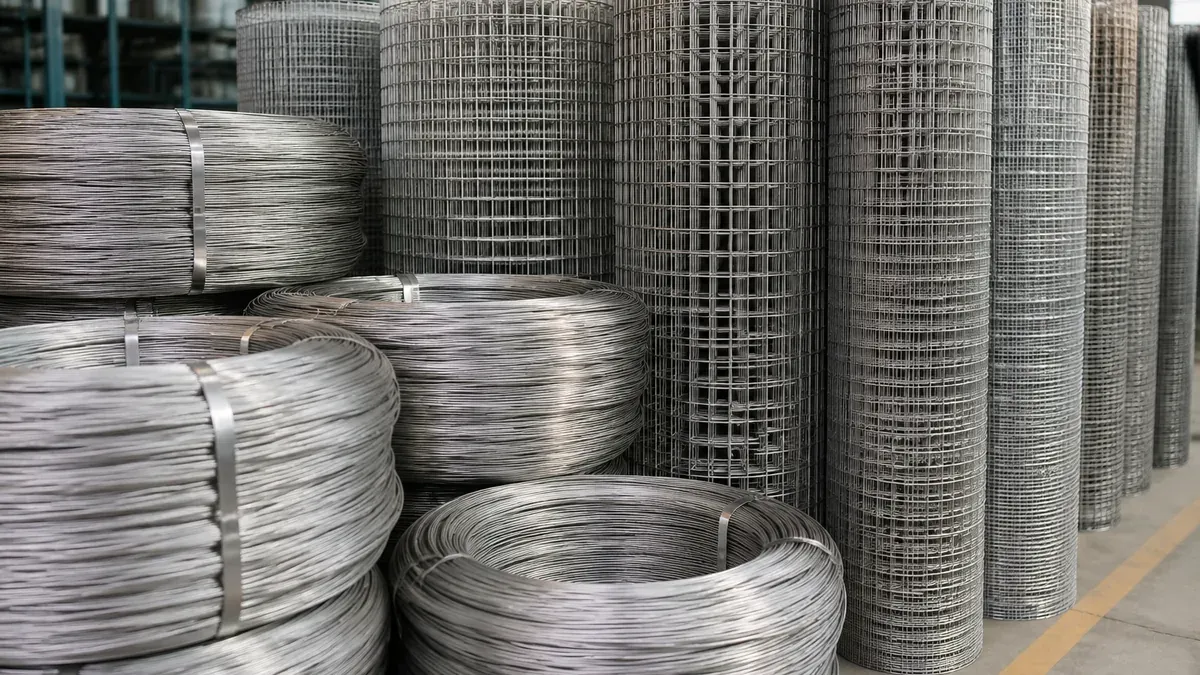
Wire and mesh use different order languages, so the RFQ must connect diameter, condition or weave to the downstream forming or filtration task. General forming wire, spring wire, welding wire and fine wire can share an alloy name while requiring different standards, mechanical conditions and package formats. Woven mesh and welded mesh add a second geometry created from the wire. Start by naming the product form and application rather than requesting a grade and diameter without its intended processing or filtration duty.
Wire orders should state diameter and tolerance, temper or tensile range, surface, cast and helix where they affect feeding or forming. Spring production may depend on consistent pay-off and mechanical condition, while welding wire also needs the applicable consumable specification and package compatibility. Define spool, carrier, coil or straightened length, flange and barrel dimensions where relevant, unit weight and pay-off direction. A nominal wire diameter does not establish winding quality or whether the package fits the buyer’s equipment.
Mesh should be described by wire diameter and clear aperture or mesh count, together with weave type, width, length and edge condition. Mesh count alone can describe different openings when wire diameter changes. State plain, twill, Dutch or other weave only where it belongs to the required specification, and identify aperture tolerance or sample approval when filtration performance depends on geometry. Selvage, raw, trimmed and cut edges behave differently during installation; cut panels may also need squareness, flatness and protected sharp edges.
Send cleaning or passivation, interleaving, core diameter, roll orientation and labeling with the RFQ. We quote alloy condition, mesh geometry, sample plan and package size from that complete inquiry.
What to send for a quotation
- Is the order general wire, spring wire, welding wire or filtration mesh?
- Which diameter, temper, tensile range and spool format fit the downstream process?
- For mesh, which aperture, wire diameter, weave and edge define acceptance?
- Does filtration service require cleanliness, certification or sample approval?
Product form matrix
Choose the product form first. We quote the matching purchase standard and dimensional description for that form.
| Product form | Reference standards | How to state dimensions | Common uses |
|---|---|---|---|
| Forming or spring wire | ASTM A313/A313M; EN 10270-3 | Wire diameter with tolerance, temper or tensile range, cast, helix and spool. | springs, forming, fasteners |
| Woven wire mesh | ASTM E2016; Ordered mesh specification | Aperture or mesh count with wire diameter, weave, width, length and edge condition. | screening, filtration, separation |
How to choose
- Select alloy and condition from forming, spring, welding or corrosion requirements.
- Define spool, coil or straightened package for the buyer's pay-off equipment.
- For mesh, state aperture and wire diameter rather than mesh count alone.
- Match weave and edge treatment to filtration, strength and installation method.
Dimensions and tolerances
Wire uses diameter, tolerance, temper and package geometry; mesh combines wire diameter with clear aperture or mesh count, weave, width, length, flatness and edge condition.
Send the ordered sizes and any tighter project tolerances. We quote the matching wire & mesh route against the governing dimensional system.
Processing and finishing
- For wire, connect drawing, straightening, cutting or forming operations to diameter tolerance, tensile condition, cast, helix and downstream pay-off behavior.
- For mesh, define woven or welded construction, weave, aperture, edge treatment and any cut panel dimensions before selecting fabrication or finishing steps.
- State cleaning, passivation, sample approval and contamination controls when filtration or hygienic service makes surface condition part of acceptance.
Pickled & PassivatedElectropolishedStainless Steel ShearingStainless Steel Bending and FormingCustom Packaging and Export Loading
Inspection and documents
- Verify wire diameter, tensile or temper, cast, helix and surface as ordered.
- Measure mesh aperture, wire diameter, weave, width, length and edge condition.
- Send sample, cleanliness or filtration inspection with the RFQ when required.
Packing and handling risks
RISK 01
Wire can tangle or feed poorly when spool winding and pay-off direction are unsuitable.
RISK 02
Fine mesh can crease, distort or contaminate without cores, interleaving and sealed protection.
RISK 03
Cut mesh edges can be sharp and require defined trimming or protective handling.
Detailed stainless steel products
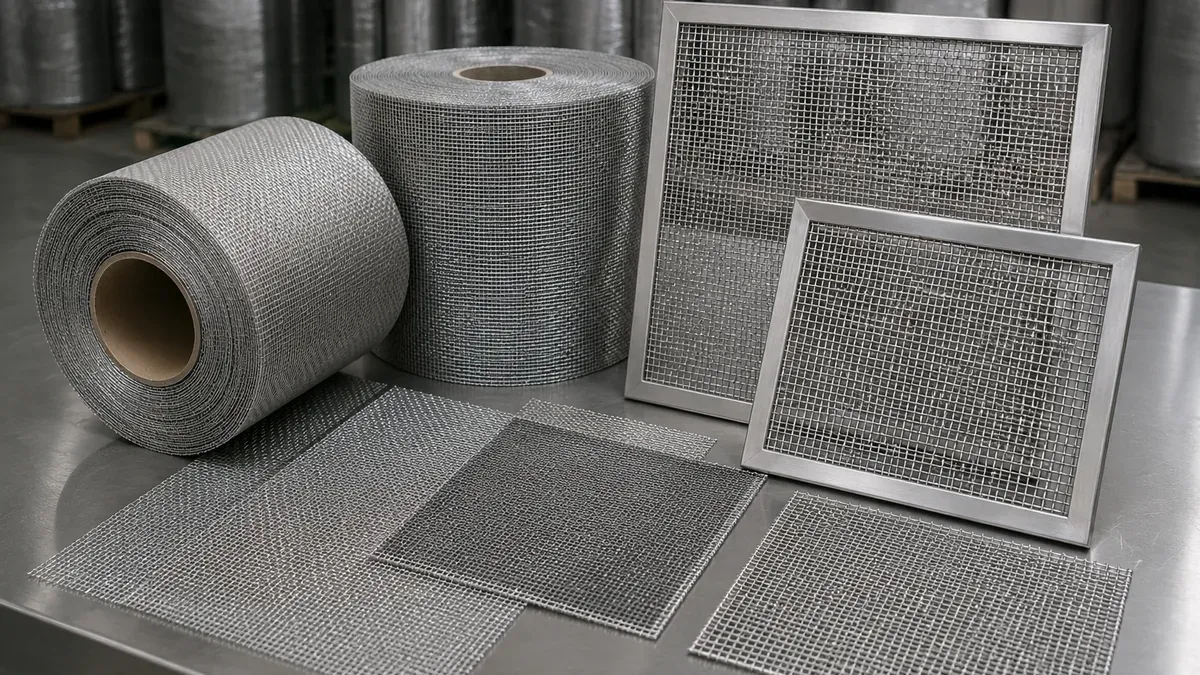
316L Stainless Steel Woven Wire Mesh
316L stainless steel woven wire mesh in square and Dutch weaves with defined aperture, wire diameter, edge and roll or panel delivery for filtration and process screens.
View details →
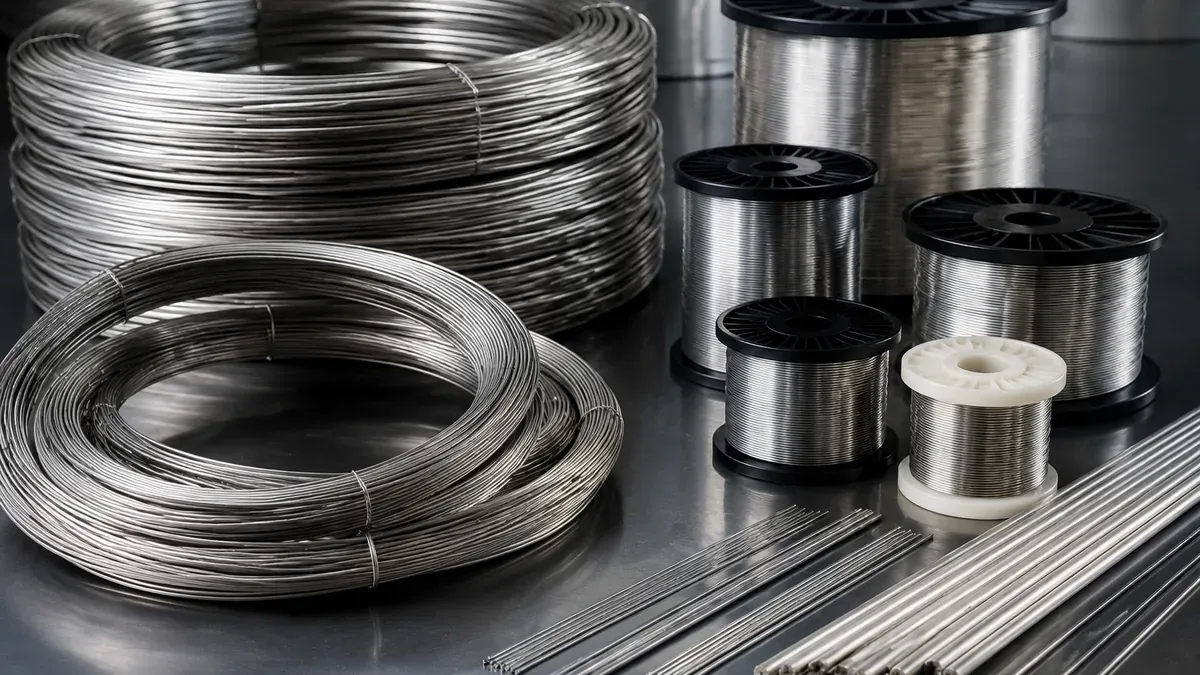
304 Stainless Steel Wire
304 stainless steel wire in annealed, cold-drawn, spring and forming conditions for mesh, fasteners, springs, weaving and general industrial components.
View details →
Related grades, standards and applications
Published standards
Application guides
Food ProcessingPharmaceuticalChemical ProcessingWater Treatment
Frequently asked questions
Is mesh count enough to specify stainless woven mesh?
No. Include wire diameter, clear aperture, weave, width, length, edge and any aperture tolerance or sample requirement.
Which wire condition should be stated for spring production?
State the applicable wire standard, diameter, tensile or temper range, cast, helix and forming or heat-treatment process.
Why does spool format matter for stainless wire?
Spool dimensions, winding pattern, unit weight and pay-off direction affect feeding stability and compatibility with production equipment.
How should filtration mesh cleanliness be ordered?
Define cleaning method, contamination limits, handling, packaging and any inspection or sample needed for the intended process.
Category RFQ checklist
Send the following details by size and line item. We quote the matching route, inspection plan, packing method and delivery window.
- 01Product form and grade
- 02Governing wire or mesh specification
- 03Diameter, aperture or mesh count
- 04Temper, tensile range or weave
- 05Width, length and edge condition
- 06Spool, coil, core or sheet format
- 07Inspection, sample and cleanliness
- 08Quantity, packing and destination
Need a Wire & Mesh quotation?
Send product, grade and quantity. We quote the confirmed supply route.