
Stainless Steel for Pharmaceutical Systems: 316L Grade & RFQ Guide
Procure stainless for pharmaceutical and biotech systems by system criticality, cleaning cycle and surface acceptance: 316L baseline, 304L utilities, EP/Ra freeze lines and MENA/SEA document turnover.
Published Sep 18, 2026 · Technical content updated: Sep 18, 2026 ·Tsingshan (Shandong) Iron & Steel Co., Ltd.
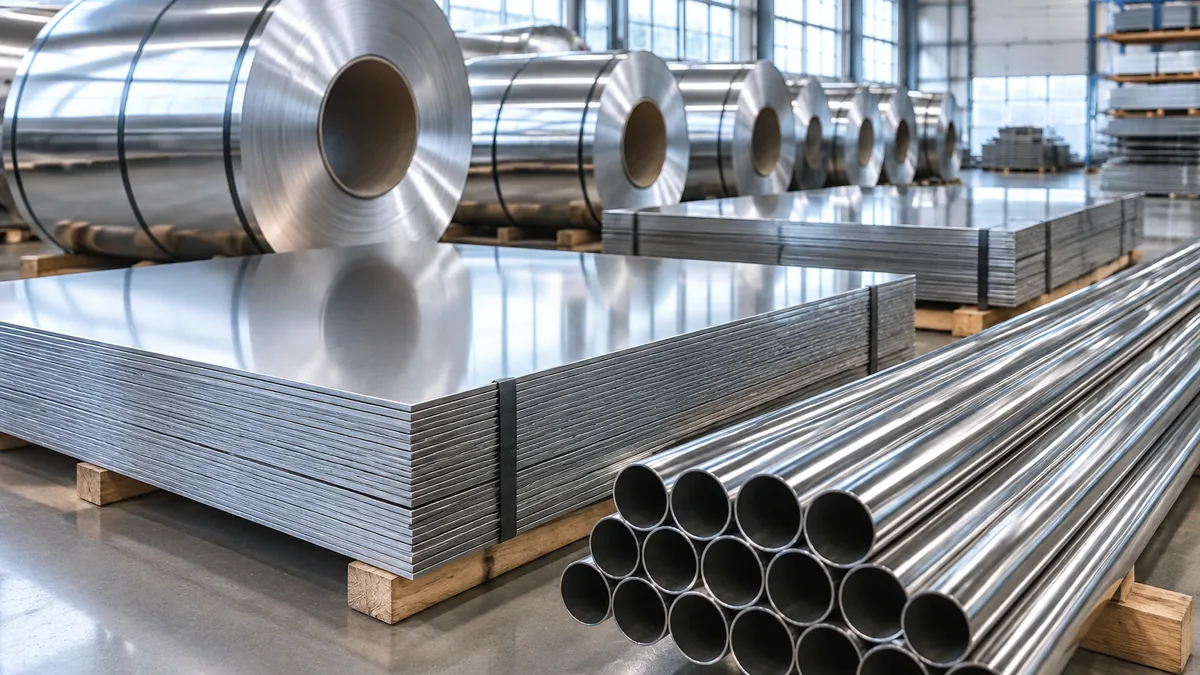
Reference image for this topic; it does not show Tsingshan Steel facilities, inventory or completed orders.
Featured answer
Stainless steel for pharmaceutical systems is a system-criticality and cleanability decision, not a single 316L stamp. Map each tag as product-contact, clean utility, or non-contact structure. Capture the cleaning and sterilization cycle, temperature, drainability and surface acceptance before you name the alloy. Keep 316L as the usual baseline for vessels, hygienic piping and many clean utilities. Allow 304L only where the owner basis accepts dry or less aggressive non-contact / utility duty. Freeze Ra / electropolish / weld blend, heat identity and EN 10204 document type so MENA and Southeast Asia bids quote one delivery definition. This article owns the grade and RFQ freeze for pharmaceutical and biotechnology stainless packages. Industry landing context sits on the applications hub; grade depth after the freeze sits on the stainless steel grades hub.
| RFQ decision field | Usual pharma default | Escalate or restrict when… |
|---|---|---|
| Product-contact / clean-utility grade | 316L / 316L | Owner basis names a higher alloy for aggressive chemistry |
| Dry / non-contact structure | 304 / 304L when allowed | Splash, clean-room visible contact or owner bans 304 family |
| Surface route | Measurable Ra and/or approved EP procedure | EP nickname only, no Ra, no weld-blend rule |
| Form language | Sheet/plate + hygienic or clean-utility tube as tagged | Silent swap of utility tube into validated contact loops |
| Documents | EN 10204 Type 3.1 + heat identity | Mixed-grade crates without PMI or tag-level traceability |
Start from system criticality, not from a 316L nickname
Pharmaceutical and biotech RFQs in the Gulf and Southeast Asia lose weeks when one line says SS316L pharma grade across vessels, WFI loops, clean steam, frames and cable trays. Validated or hygienic contact surfaces carry surface, weld and document acceptance. Frames and outdoor skids may not.
Before you type 316L:
- Mark every tag as product / process contact, clean utility (purified water, clean steam, buffer / media as designed), or non-contact structure.
- List the process fluids and utilities — chemistry, temperature, pressure, residence time and whether the surface stays wetted.
- Attach the CIP / SIP / manual clean sequence — chemicals, concentration, temperature, time, final rinse and cycle frequency.
- Note dead legs, low points, elastomer interfaces and wet-hold versus drain-dry shutdown practice.
- Name who owns hygienic acceptance (equipment designer + quality unit). This page does not qualify a system for regulated production.
A mill quote that only repeats 316L has not performed this split.
Why 316L is the baseline — and when 304L or specialty alloys enter
316L remains the commercial baseline for most product-contact vessels, hygienic piping and clean-utility stainless on pharmaceutical skids because buyers want molybdenum margin, low-carbon welding behavior and a familiar global purchase language. 304L is not automatically wrong — it is simply the wrong default for contact loops when the owner specification already standardized on 316L.
Use this screening card (not a validation certificate):
- Keep 316L for product-contact vessels, hygienic process tubing and clean utilities the owner maps to 316L.
- Allow 304L only for dry, non-contact or explicitly approved less-aggressive utility / structure tags.
- Escalate beyond 316L only when process chemistry and the owner corrosion / materials basis demand it — do not invent a duplex or superaustenitic upgrade from a blog nickname. Seawater and desalination section selection stay on the desalination grade RFQ guide. Strength-driven 2205-versus-304 process compares stay on the 2205 vs 304 guide.
Exact PREN cut-offs and licensed chemistry tables stay off this commercial page. Ordered ASTM/EN editions and the owner specification govern acceptance.
Surface roughness, electropolish and weld acceptance that freeze delivery
Alloy choice without surface language is incomplete for pharmaceutical packages.
- Freeze internal roughness as Ra (or the owner-approved metric) for product-contact and clean-utility IDs — not polished as a vibe.
- Treat electropolish (EP) as a procedure-backed route: approved method reference, acceptance checks and whether EP applies to tube ID, fittings or fabricated vessels.
- State weld bead and discoloration rules — flush grind, blend, heat-tint removal and passivation where required.
- Separate No.4 / brushed exterior cosmetics from hygienic ID acceptance so fabricators do not polish the wrong surface.
Finish-ordering traps for No.4 versus hairline live on the No.4 vs hairline ordering guide. This page only forces the pharma surface freeze so EP and Ra appear on the RFQ before price comparison.
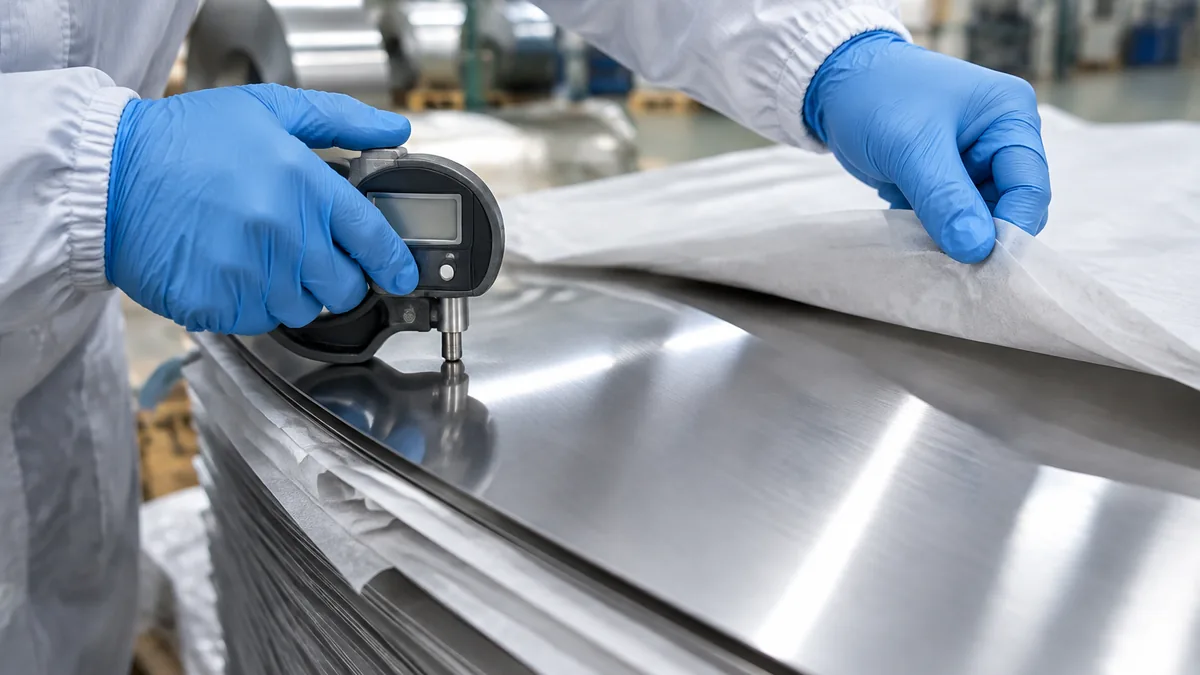
Tube, sheet and fitting form language for clean systems
Grade alone does not freeze the mill product.
| Form on the skid | Common purchase route | What you must still freeze |
|---|---|---|
| Vessels, panels, hoppers | ASTM A240 sheet/plate | Grade, thickness, finish, dimensions, MTC type |
| Hygienic / clean-utility tubing | Sanitary or clean-utility tube route as specified (edition on PO) | OD/wall, ID finish/Ra, ends, tests, EP scope |
| General utility tube | ASTM A269 or other utility route as designed | Do not silently replace hygienic contact tags |
| Fittings / valves interfaces | Matching hygienic family as designed | Clamp / weld end, surface and document alignment |
When the dispute is specifically A270 versus A269 sanitary naming, use the A270 vs A269 compare and the 316L sanitary tubing specification guide. Food-plant equipment RFQs that turn on recipe and CIP chemistry belong on the food-processing equipment RFQ guide. This article keeps the pharma system form split so sheet quotes are not pasted onto clean-utility tube tags.
Product availability after the freeze sits on the products hub.
MENA / SEA RFQ field checklist for pharmaceutical stainless
Copy these fields into the clarification sheet before price comparison:
- Tag class — product-contact / clean utility / non-contact
- Fluid and utility list — chemistry, temperature, pressure, wet/dry hold
- Cleaning / sterilization map — CIP/SIP chemicals, concentration, temperature, time, frequency
- Drainability and dead-leg notes — low points, elastomer interfaces, shutdown state
- Grade — 316L baseline; 304L only where allowed; specialty only with owner basis
- Product standard + edition — A240 sheet/plate; hygienic or utility tube standard as tagged
- Surface acceptance — Ra and/or EP procedure ID; weld blend and passivation rules
- Dimensions — thickness or OD/wall, lengths, quantities by tag
- Fabrication controls — filler family if specified, heat-tint removal, free-iron controls
- Documents — EN 10204 type, heat identity, optional PMI on mixed-grade crates, turnover list
- Packing / destination — export packing, marking, MENA or SEA delivery notes
- Acceptance owner — who signs hygienic and document acceptance
For a broader commercial RFQ skeleton, pair this page with the stainless steel RFQ checklist and purchase order wording guide.
Documents and mix-up controls on mixed-grade crates
Pharma skids often ship 316L contact loops beside 304 frames and cosmetic panels. Document type alone does not prevent swaps.
- Name EN 10204 document type on the PO (Type 3.1 is common; Type 3.2 only when the project truly requires it).
- Require heat/lot identity that can be traced to each tag class.
- Add PMI sampling when crates mix grades or receiving has swap history — see PMI guidance via the RFQ checklist cluster.
- Ban silent substitution (304L for 316L, utility tube for hygienic tags, mill 2B for an approved EP/Ra package) in the notes.
An MTC that proves chemistry for the wrong tag still fails the turnover package.
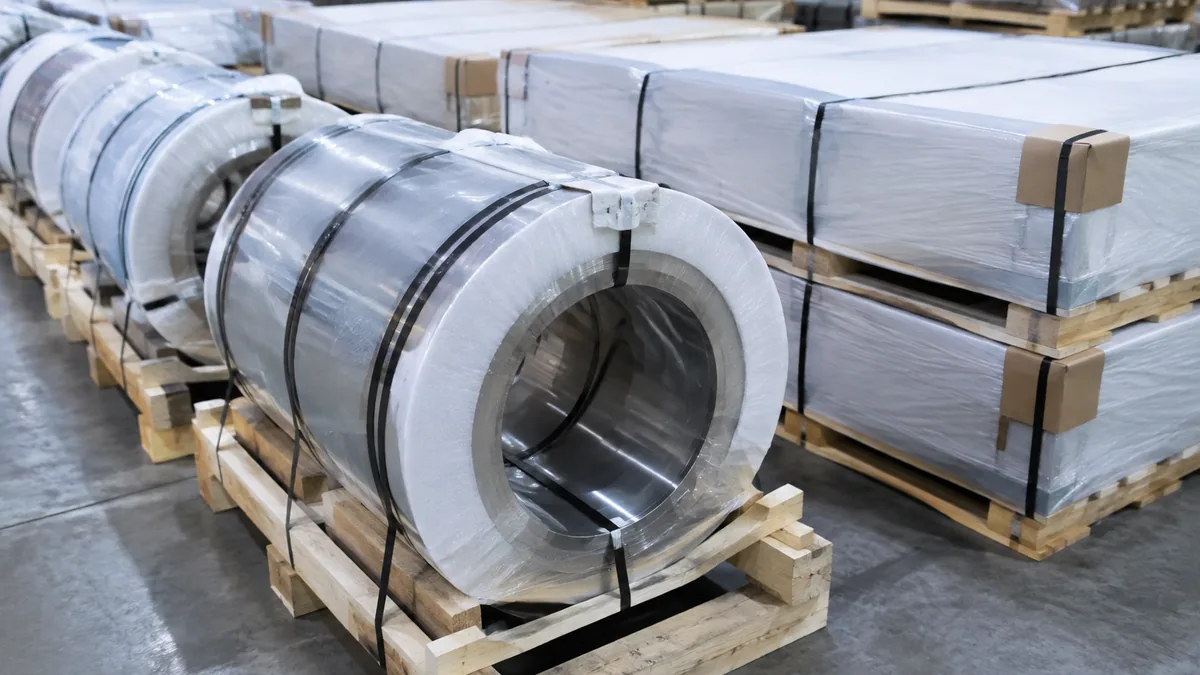
Practical notes from pharmaceutical stainless RFQs
Patterns that burn weeks on MENA and SEA packages:
- One line 316L pharma covering vessels, WFI pipe, frames and cable tray
- Cleaning described as CIP as per vendor with no chemistry or temperature
- EP awarded from a photo without Ra or procedure ID
- Utility A269 tube quoted into hygienic contact tags to win on price
- Mixed-grade containers without PMI or color-coded tagging
- Turnover documents requested after award instead of on the RFQ
- Destination packing omitted until the forwarder asks for marks
If the buyer problem is food-plant CIP equipment, use the food RFQ guide. If the buyer problem is seawater desalination materials, use the desalination guide. This page stays on pharmaceutical and biotechnology system RFQ freeze.
Freeze the RFQ line before skid award
Award pharmaceutical stainless only after the line can be read without guesses:
Product-contact and clean-utility [tag IDs]: ASTM A240 [edition] 316L sheet/plate as applicable; hygienic / clean-utility tube [standard + edition] 316L, ID finish Ra [value] and/or EP procedure [ID], weld blend and passivation as listed; non-contact frames 304/304L only where allowed; EN 10204 Type 3.1; heat identity by tag class; PMI on mixed-grade crates; packing and marks for [MENA/SEA destination]. Cleaning/sterilization and acceptance sheet attached — no silent substitution.
Send that freeze with your quantity list to contact. We quote against named system criticality, surface and document fields for MENA and Southeast Asia pharmaceutical packages — not against an undefined pharma-grade nickname.
Sources and application limits
This guide supports purchasing decisions. The ordered product standard, project specification and approved inspection plan control the final decision.
- ASTM A240/A240M flat-product naming practice for 316/316L and 304/304L sheet and plate with edition stated on the purchase order
- ASTM A269 / sanitary-tube purchase practice as commonly ordered for clean utilities and hygienic process lines (edition and acceptance tests on the PO)
- Buyer hygiene practice that electropolish and roughness targets need measurable acceptance or approved procedure references — not EP as a brochure nickname
- Common MENA and Southeast Asia pharma procurement pattern that cleaning/sterilization cycles, dead-leg risk and document turnover often govern award more than the alloy nickname alone
Technical content updated: Sep 18, 2026
Frequently Asked Questions
Is 316L always required for pharmaceutical stainless systems?
316L is the usual product-contact and clean-utility baseline for vessels, hygienic piping and many clean utilities. 304L may fit dry, non-contact or less aggressive utility tags when the owner specification allows it. Specialty alloys appear only when the process chemistry and owner basis demand them. Do not award every tag 316L from a brochure claim without system criticality and cleaning data on the RFQ.
Does electropolished mean the tubing is ready for validated service?
No. Electropolish is a surface route. Freeze Ra or an approved procedure reference, weld-blend rules, passivation, inspection hold points and document turnover. EP without measurable acceptance is incomplete for pharmaceutical RFQs.
What documents should MENA and SEA pharma stainless RFQs freeze?
Freeze EN 10204 document type (commonly Type 3.1), heat/lot identity to tag class, surface and weld acceptance records, and any PMI sampling on mixed-grade crates. An MTC that proves chemistry for the wrong tag still fails the package. Owner quality teams define what enters the turnover binder.
How is this different from food-equipment stainless buying?
Food RFQs often turn on recipe and CIP chemistry for plant equipment. Pharmaceutical RFQs turn on system criticality, cleaning/sterilization cycles, measurable surface acceptance and document turnover for validated or clean-utility packages. Use the food-equipment RFQ guide when the buyer problem is food CIP and A270 plant equipment — use this page for pharma/biotech system packages.
Send the product form, grade and quantity from this guide. We quote the matching stainless route.
Ready to quote your stainless specification?
Send product, grade and quantity. We quote the confirmed supply route.