
316L Sanitary Tubing Specification Guide for Buyers
Specify 316L sanitary tubing with a buyer guide covering ASTM A270 finish and Ra rules, OD and wall callouts, tri-clamp RFQ traps, documents and packing.
Published Sep 5, 2026 · Technical content updated: Sep 5, 2026 ·Tsingshan (Shandong) Iron & Steel Co., Ltd.
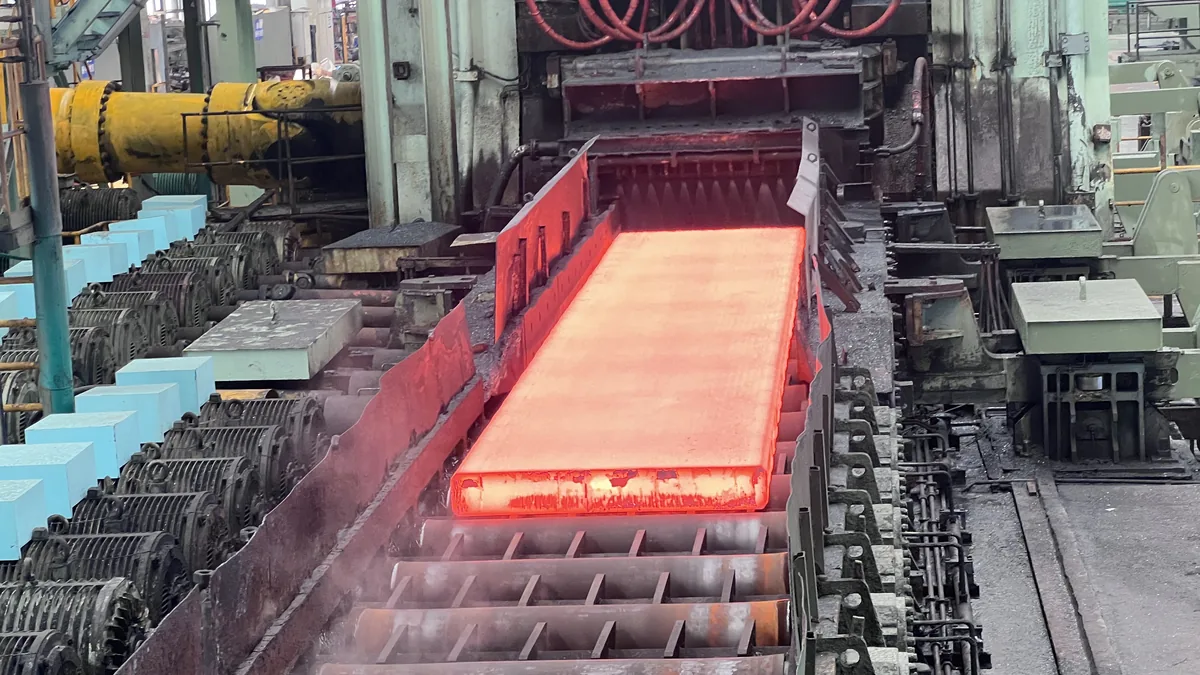
Reference image for this topic; it does not show Tsingshan Steel facilities, inventory or completed orders.
Introduction
Featured answer: For 316L sanitary tubing, write the purchase line around the hygienic product standard and edition (commonly ASTM A270/A270M), OD and wall, welded or seamless route if the project governs it, heat-treated condition, ID/OD finish method, maximum Ra with measurement rules, end preparation, documents and contamination-controlled packing. Do not stop at “food grade 316L tube” or a grit nickname. Those phrases do not tell the mill which surface, which acceptance number or which fitting series you will install.
Buyers lose time when a polished tube arrives with the wrong OD series, an unstated Ra, open ends, or clamp hardware sized from flange diameter instead of tube OD. This guide is a specification and RFQ note for hygienic 316L tubing. It is not a product catalog page and not a general pipe-versus-tube dimension article.
Start from the stainless steel product range to lock tubing as the product form, then use the fields below before sending the stainless steel inquiry form.
Direct answer: what belongs on a 316L sanitary tube specification
A workable 316L sanitary tubing specification usually freezes these fields together:
- Grade: 316L (or 304L only when the approved system allows it).
- Product standard and edition: ASTM A270/A270M or the named hygienic standard actually governing the project.
- Manufacturing route: seamless, welded or heavily cold-worked welded when the standard and purchaser require that choice.
- Size: outside diameter series, wall thickness, length and dimensional tolerances.
- Surface finish: mill, mechanical polish finish number, electropolish and/or maximum Ra on ID, OD or both.
- Measurement rules: ASME B46.1 practice, surfaces measured, and longitudinal measurement when circumferential polish is used.
- Ends and cleanliness: square cut, deburred, capped, cleaning state and contamination-control packing.
- Documents: EN 10204 Type 3.1 or the named inspection document, plus any roughness or supplementary reports.
If the team still needs form language for NPS pipe versus OD tube, read the live pipe vs tube guide first. Keep this article on sanitary finish, hygienic OD and RFQ acceptance.
ASTM A270 scope buyers should freeze early
ASTM A270/A270M covers seamless, welded and heavily cold-worked welded austenitic and ferritic/austenitic stainless sanitary tubing intended for dairy and food service with special surface finishes. Pharmaceutical quality may be requested as a supplementary requirement. Confirm the ordered edition on the purchase order. Scope summaries are not a substitute for the contract text.
| Spec field | What to write | Why it matters |
|---|---|---|
| Grade | TP316L or the exact designation used by the ordered edition | Prevents silent 304L or dual-label substitutions on chloride or cleanability-critical lines |
| Standard | ASTM A270/A270M plus edition, or the project hygienic standard | Finish ordering rules live in the sanitary standard, not in a generic “food grade” claim |
| Route | Seamless / welded / HCW if required | Changes weld-bead treatment, NDT options and some project approvals |
| Size system | Tube OD x wall, inch or metric series stated once | Mixing hygienic OD series breaks ferrule and orbital-weld fit-up |
| Finish | Mill / Finish No. 80-240 / electropolish / max Ra | Grit and Ra are different order tools |
| Documents | EN 10204 3.1 + any roughness or supplementary report | Certificate heat identity does not replace finish evidence |
Use the standards hub when the project names more than one product family. Do not assume A269 general-service tubing automatically carries A270 finish acceptance.
316L sanitary tube Ra finish and polish callouts
Surface finish is the commercial heart of a sanitary tubing order. Under A270 practice, purchasers may specify:
- Mill finish with no additional polishing intended to smooth the surface.
- Mechanical polish finish numbers such as 80, 120, 180 or 240, or another agreed polish.
- Electropolished finish.
- A maximum roughness average (Ra) on the inside surface, outside surface, or both.
Ra measurement is expected to follow ASME B46.1. When the surface is finished by circumferential mechanical polishing, Ra is measured in the longitudinal direction. Longitudinal polish measurement rules should be agreed if that route is used. Put the method on the RFQ so “bright ID” cannot replace a number.
Buyer rules that prevent rework:
- Order maximum ID Ra when cleanability or validated CIP/SIP performance depends on a measured limit.
- Do not treat a grit number as a guaranteed Ra. Grit describes abrasive media; Ra is the acceptance metric.
- State whether electropolish is included, whether it follows mechanical polish, and which final Ra applies after electropolish.
- Name sampling locations and report units (µin or µm) so inspection and mill language match.
OD, wall and tri-clamp sanitary tubing RFQ traps
Sanitary tubing is purchased by tube outside diameter and wall, not by the flange diameter of a clamp ferrule. Common hygienic OD inquiries often fall in a roughly 12.7 mm to 203.2 mm range depending on the stock and fitting series. Always write the exact OD and wall for the line.
Tri-clamp style connections create three recurring RFQ failures:
- Ordering by ferrule OD. A tape measurement across the flange is not the tube size. Tube OD governs the fitting designation.
- Shared ferrule faces on small sizes. In common sanitary conventions, adjacent small OD pairs can share one ferrule and clamp series. Confirm tube OD, gasket and clamp together.
- Mixing inch and metric hygienic series without checking orbital-weld heads, ferrules and spare parts.
For food-grade stainless tubing destined for clamp-ended skids, put tube OD, wall, end preparation and fitting standard on separate lines. If the purchase also needs process pipe to ASTM A312, keep that material on a different line so sanitary finish rules are not diluted.
Documents, weld condition and packing for hygienic lots
A clean finish callout still fails when documents and handling are vague. Align these controls before production:
- Heat identity on every length or agreed bundle marking.
- EN 10204 Type 3.1 or the named inspection document, reviewed with the same method used in the mill test certificate guide.
- Weld-bead treatment and heat-treated condition for welded sanitary tube when required by the ordered standard or project WPS.
- Roughness or polish reports linked to heat and lot when Ra is contractual.
- End caps, cleaning state and resealing rules after any destination inspection.
- Contamination-controlled export packing so polished ID stays protected in transit.
The quality-control workflow is the place to attach hold points for certificate review, finish checks and packing identity. For export handling details beyond tube caps and wraps, use the export packing guide.
Common Buyer Mistakes
These are the repeating handover failures on 316L sanitary tubing orders:
- Writing “food grade 316L tube” with no standard edition or finish. The mill can ship chemically correct 316L that still fails project cleanability review.
- Ordering by grit only. Finish No. 180 is not automatically the same as a stated maximum ID Ra with a measurement direction.
- Assuming electropolish fixes every upstream defect. Electropolish is a finishing route, not a repair for undocumented weld bead or mechanical-finish failures.
- Sizing clamps from flange diameter. Shared small-size ferrule faces make this especially expensive on site.
- Opening capped tube for casual inspection, then resealing without a cleanliness procedure. Contaminated ID becomes a fabrication and validation problem.
- Treating the MTC as finish acceptance. Chemistry and tensile results do not prove Ra.
- Mixing sanitary tube and pressure-pipe language on one line. A312-only wording drops the hygienic finish fields buyers actually need.
Put the sanitary specification into the RFQ
Copy and adapt this block for the inquiry:
- Grade: 316L (state if 304L substitutes are forbidden)
- Standard and edition: ASTM A270/A270M or named hygienic standard
- Route: seamless / welded / HCW as required
- Size: OD x wall x length, inch or metric series stated once
- Finish: mill / mechanical polish finish number / electropolish
- Maximum Ra: ID and/or OD value, units, ASME B46.1 method, measurement direction
- Ends: square, deburred, capped; state any orbital-weld end prep
- Documents: EN 10204 Type 3.1 plus roughness or supplementary reports if required
- Packing: contamination-controlled, capped ends, marking that preserves heat identity
- Destination, quantity and any tri-clamp or ferrule interface notes for fit-up checks
Send the completed line through the stainless steel inquiry form, or use the WhatsApp option there to confirm whether dual polish routes or electropolish are in scope before production. Email sales@tsingshansts.com with OD, wall, ID Ra target, standard edition and whether clamp-end or orbital-weld fabrication will follow. A measurable sanitary RFQ prevents the cheapest bright tube from being treated as an automatic substitute for project-approved 316L hygienic tubing.
Sources and application limits
This guide supports purchasing decisions. The ordered product standard, project specification and approved inspection plan control the final decision.
- ASTM A270/A270M sanitary stainless tubing scope, manufacturing routes and Section 13 surface-finish ordering options
- ASME B46.1 surface roughness measurement practice referenced by A270 for Ra
- Common hygienic OD and tri-clamp ferrule pairing conventions used in sanitary fitting RFQs
- EN 10204 Type 3.1 inspection document practice for heat identity on sanitary tube lots
Technical content updated: Sep 5, 2026
Frequently Asked Questions
Is grit polish the same as a maximum Ra for 316L sanitary tubing?
No. ASTM A270 lets buyers order mechanical polish finish numbers such as 80, 120, 180 or 240, an electropolished finish, and/or a maximum Ra on the ID, OD or both. A grit number describes the abrasive route. A maximum Ra is the measurable acceptance limit and should name the surface, method and measurement direction when circumferential polish is used.
Can buyers order sanitary tubing by tri-clamp size alone?
Not safely. Hygienic tubing is sized by tube outside diameter and wall. Clamp and ferrule designations do not always equal tube OD on smaller sizes, where adjacent OD pairs can share one ferrule face. Put tube OD, wall, end preparation and fitting standard on separate RFQ lines.
When should food-grade buyers specify ASTM A270 instead of a general-service tube standard?
Specify A270 when the system needs controlled sanitary surface finishes, polish or Ra limits, and dairy or food hygienic acceptance language. General-service tubing standards may cover chemistry and mechanical tests without the finish ordering rules buyers need for cleanability. Confirm the ordered edition and any pharmaceutical supplementary requirements separately.
Does an EN 10204 Type 3.1 MTC prove the internal polish is acceptable?
No. Type 3.1 supports heat identity, chemistry and the mechanical or inspection results named on the order. Internal finish acceptance still needs the ordered grit or Ra criteria, sampling plan and any roughness report tied to the same heat and lot.
Send the product form, grade and quantity from this guide. We quote the matching stainless route.
Ready to quote your stainless specification?
Send product, grade and quantity. We quote the confirmed supply route.