
Stainless Steel for Chemical Processing: Grade & RFQ Guide
Specify stainless for chemical tanks and piping from process data, not a nickname: screen 316L, 2205, 2507, 904L and 6Mo routes, then freeze MENA/SEA RFQ fields.
Published Sep 21, 2026 · Technical content updated: Sep 21, 2026 ·Tsingshan (Shandong) Iron & Steel Co., Ltd.
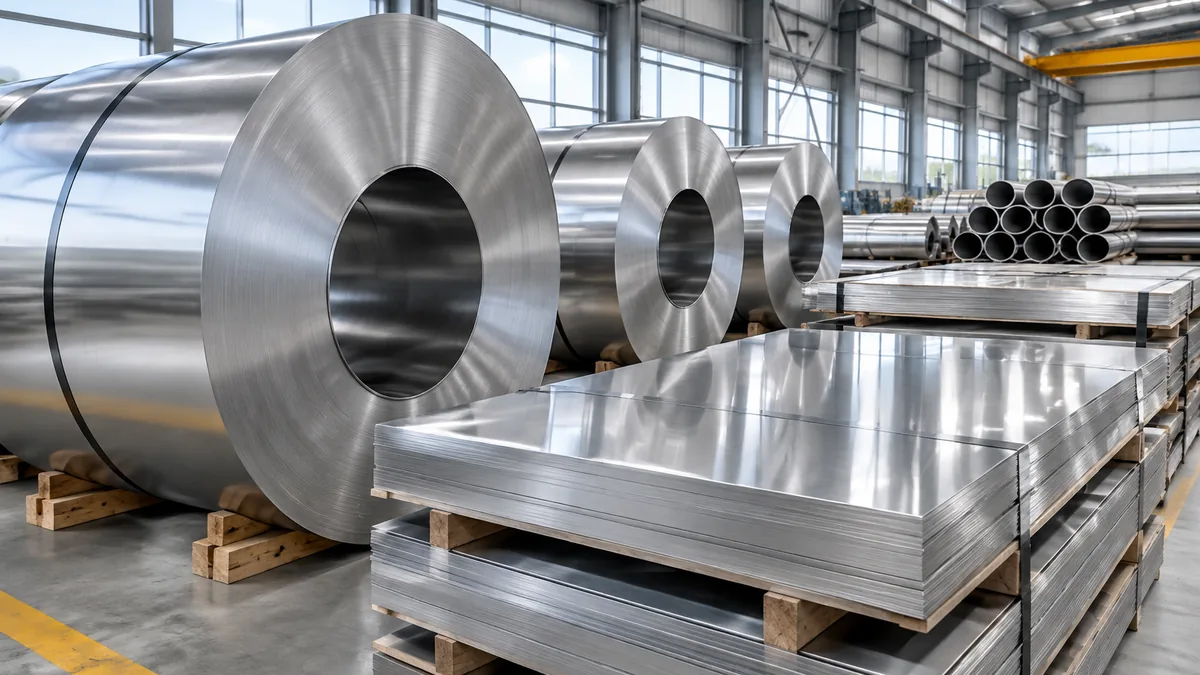
Reference image for this topic; it does not show Tsingshan Steel facilities, inventory or completed orders.
Featured answer
Stainless steel for chemical processing is a process-data decision, not a single plant-wide grade. Build a process data sheet for each tank, exchanger and line class — concentration, contaminants, temperature, aeration, velocity, crevices, cleaning chemicals and shutdown state. Screen 316L only where the owner corrosion basis still accepts that envelope. Escalate to 2205 / 2507 duplex for higher chloride and strength duties, or to 904L / 6Mo routes when reducing-acid or severe chloride service demands them. Then freeze product form, weld and document fields so MENA and Southeast Asia RFQs quote one material route. This article owns the grade and RFQ freeze for chemical-plant stainless. Industry landing context sits on the applications hub; grade depth after the freeze sits on the stainless steel grades hub.
| Screening step | What you freeze | Typical next action |
|---|---|---|
| Process data sheet | Chemistry, contaminants, T/P, crevices, clean/shutdown | No grade nickname yet |
| 316L screen | Moderate, owner-accepted envelope | Keep or fail the tag |
| Duplex screen | Higher chloride / strength under approved fabrication | 2205, then 2507 if margins compress |
| Specialty screen | Reducing-acid or severe chloride basis | 904L / 6Mo only on justified tags |
| Bid freeze | Form, weld, EN 10204, PMI | Comparable quotes |
Build the process data sheet before you name a grade
Chemical RFQs fail when the line says SS316L chemical plant across acids, brines, solvents, utilities and cleaning circuits. The same chemical name can behave differently with water, chlorides, aeration, deposits or stagnation.
Capture at least:
- Process components and concentration range (normal and maximum)
- Temperature and pressure envelope, phase and wetting pattern
- Contaminants: chlorides, fluorides, solids, dissolved oxygen
- Flow vs stagnation, crevices, under-deposit and gasket faces
- Cleaning / neutralization / steaming chemicals and whether they can mix with process heels
- Shutdown: drain, purge, wet hold, vapor condensation, water ingress
- Equipment type: tank, column, exchanger, piping class, heater
A materials nickname is not a corrosion certificate. Final approval stays with the project engineer and owner corrosion basis. Seawater desalination section selection stays on the desalination grade RFQ guide. Strength-only 2205-versus-304 compares stay on the 2205 vs 304 guide.
Screening ladder: 316L, then duplex, then 904L / 6Mo
Use this as a commercial screen — not a substitute for the owner corrosion review.
1. Split the plant by tag or piping class
Do not award one grade to the whole chemical unit. Separate process, heating/cooling, cleaning and utilities.
2. Fail incomplete data
If concentration, temperature, contaminants or shutdown state are missing, stop price comparison and clarify.
3. Test whether 316L still has an accepted envelope
Keep 316L for moderate duties the owner basis already accepts. Fail it for warm concentrated chlorides, severe crevices, or reducing-acid routes the basis rejects.
4. Screen duplex 2205 where chloride and strength rise together
Quote 2205 when the corrosion review accepts that chloride-temperature-crevice window and fabrication controls exist. Do not use PREN as a life guarantee.
5. Escalate to 2507 when duplex margins compress
Hotter chlorides, tighter crevices or concentrate duties often push past 2205 under owner basis.
6. Open 904L or 6Mo only on justified tags
Reducing-acid or severe chloride/FGDC-type duties may need specialty austenitic routes. Follow the project basis — do not blanket the MTO.
7. Freeze fabrication and documents before comparing price
Duplex and specialty quotes are not comparable without weld/filler controls, surface restoration, EN 10204 type and PMI rules.
Exact CCT/PREN tables and licensed standard text stay off this commercial page. Ordered ASTM/EN editions govern acceptance.
Section-by-section duty card for Gulf and SEA chemical plants
| Duty cue | Gulf / SEA risk cue | First screen | Escalate when… |
|---|---|---|---|
| Mild process / treated utility | Cool, low contaminant, drained | 316L if basis allows | Chloride spikes, stagnation, cleaning mix |
| Moderate chloride process water | Warm climate, deposits | 316L or 2205 per basis | Crevice-heavy joints, oxidant dosing |
| Higher chloride / brine-like process | Hot Gulf summers, gasket faces | 2205 under weld controls | Temperature + crevice compress 2205 |
| Severe chloride / concentrate | Heat, splash, under-deposit | 2507 or other owner-approved | Basis points to 6Mo / specialty |
| Reducing-acid service | Contaminants change mechanism | 904L or basis alloy | Do not force duplex by habit |
| Cleaning / neutralization circuit | Mix with process heels | Own tag, own grade | Same grade as process by convenience |
This card is a clarification aid during RFQ, not a plant design certificate.
Pipe, plate and fitting form language that freezes the bid
Grade alone does not freeze the mill product.
| Form | Common purchase route | Still freeze |
|---|---|---|
| Tanks / shells / plates | ASTM A240 plate/sheet | Grade, thickness, finish, MTC type, dimensions |
| Process pipe | ASTM A312 (edition on PO) | Seamless/welded route, schedule, ends, tests |
| Butt-weld fittings | ASTM A403 family as ordered | Matching grade and heat identity |
| Flanges / forged parts | ASTM A182 / ASME B16.5 as specified | Class, facing, document alignment |
Product availability after the freeze sits on the products hub. Food CIP equipment RFQs belong on the food-processing equipment RFQ guide. Pharma clean-utility surface freezes belong on the pharmaceutical systems RFQ guide.
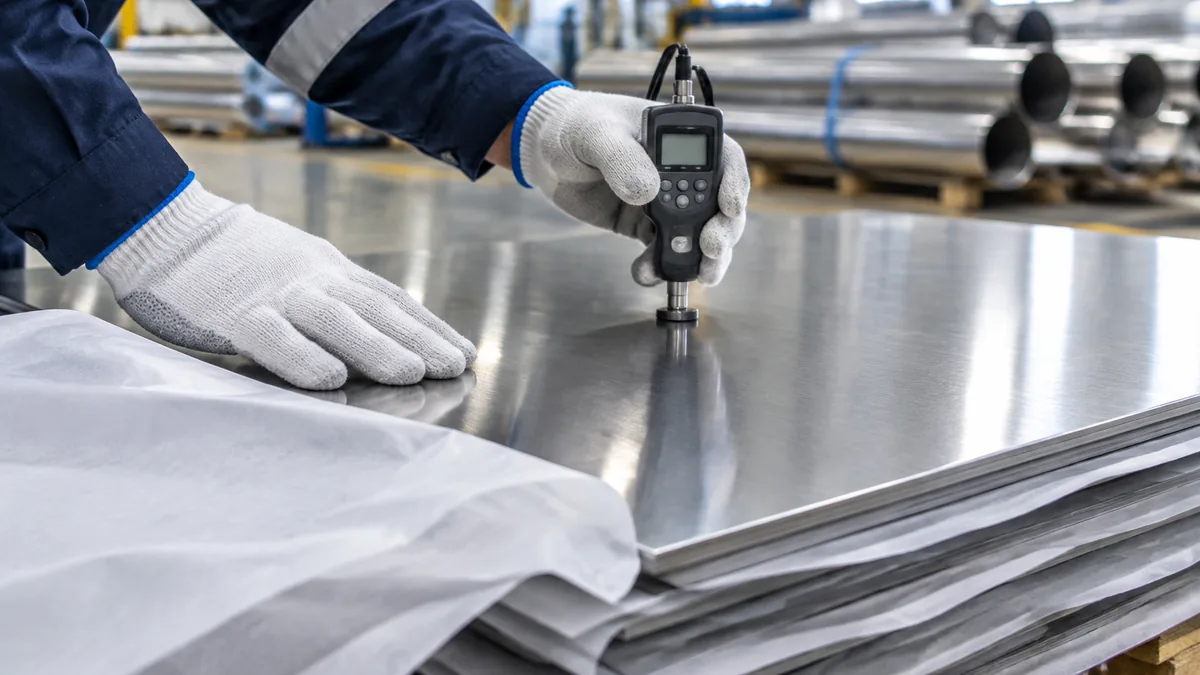
MENA / SEA RFQ field checklist for chemical stainless
Copy these fields into the clarification sheet before price comparison:
- Tag / line class and equipment type
- Process chemistry — components, normal/max concentration
- Temperature and pressure envelope
- Contaminants — chlorides, solids, aeration, oxidants
- Crevices / deposits / stagnation notes
- Cleaning / neutralization chemicals and mix risk
- Shutdown state — drain, purge, wet hold
- Grade family — 316L / 2205 / 2507 / 904L / other basis alloy
- Product standard + edition — A240 / A312 / A403 / A182 as applicable
- Weld and filler controls for duplex or specialty tags
- Documents — EN 10204 type, heat identity, PMI scope
- Packing / destination — MENA or SEA delivery marks
Pair with the stainless steel RFQ checklist and purchase order wording guide for commercial freeze language.
Documents, welding and mix-up controls
Chemical packages often mix 316L utilities with duplex process lines and specialty tags. Document type alone does not prevent swaps.
- Name EN 10204 type on the PO (Type 3.1 common; Type 3.2 only when required).
- Require heat/lot identity by tag class.
- Add PMI sampling on mixed-grade crates or high-swap receiving history.
- Ban silent substitution across 316L / duplex / specialty families.
- For duplex, freeze weld procedure expectations at RFQ level — heat input and filler family as the owner requires — without pasting a full WPS into the commercial line.
Practical notes from chemical-plant stainless RFQs
Patterns that burn weeks on Gulf and SEA packages:
- One line 316L chemical for acids, brines, utilities and cleaning headers
- Concentration given as as per P&ID with no max or contaminant note
- 2205 awarded for thickness savings without duplex weld cost
- 904L sprinkled plant-wide to avoid corrosion meetings
- Cleaning chemicals omitted until after award
- Mixed-grade containers without PMI
- Destination packing left until freight asks
If the buyer problem is seawater desalination materials, use the desalination guide. If it is food CIP equipment or pharma clean utilities, use those RFQ guides. This page stays on chemical process grade and RFQ freeze.
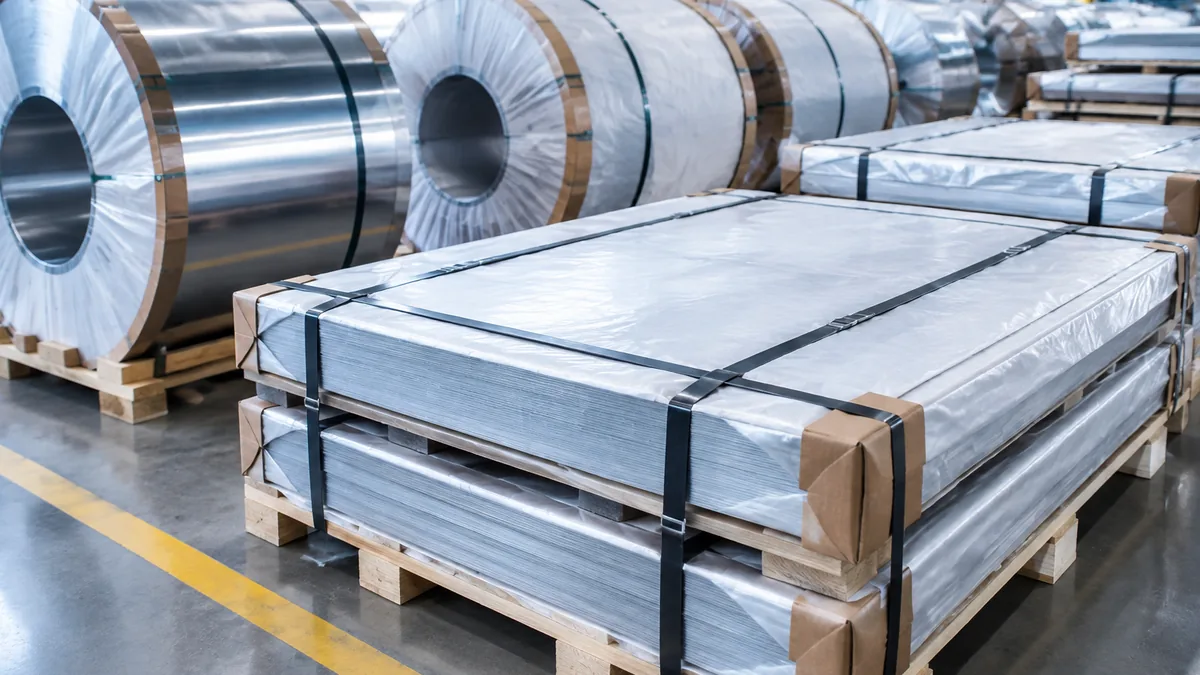
Freeze the RFQ line before material award
Award chemical stainless only after the line can be read without guesses:
Line class / tag [IDs]: process data sheet attached (chemistry, max T, contaminants, clean/shutdown). Material screen [316L / 2205 / 2507 / 904L / owner alloy] per tag. Product form ASTM [A240/A312/…] [edition], dimensions as listed. Duplex/specialty weld and filler controls as attached. EN 10204 Type 3.1; heat identity by tag; PMI on mixed-grade crates; packing and marks for [MENA/SEA destination]. No silent substitution.
Send that freeze with quantities to contact. We quote against named process duty and form fields for MENA and Southeast Asia chemical packages — not against an undefined chemical-grade nickname.
Sources and application limits
This guide supports purchasing decisions. The ordered product standard, project specification and approved inspection plan control the final decision.
- ASTM A240/A240M flat-product naming practice for 316/316L, duplex and specialty stainless plate/sheet with edition on the purchase order
- ASTM A312/A403/A182 piping and fitting naming practice as commonly ordered for chemical process lines (edition on the PO)
- Industry materials practice that concentration, contaminants, aeration, crevices and shutdown state can change the controlling corrosion mechanism for the same chemical name
- Common MENA and Southeast Asia chemical procurement pattern that incomplete process data sheets produce non-comparable 316L and duplex bids
Technical content updated: Sep 21, 2026
Frequently Asked Questions
Is 316L enough for chemical processing stainless steel?
Sometimes for moderate, well-defined duties with limited chloride or reducing-acid severity. It is not a plant-wide default. Capture concentration, contaminants, temperature, crevices, cleaning chemicals and shutdown state first. Escalate to duplex, 904L or 6Mo routes only when the owner corrosion basis and process data require it.
When should chemical buyers move from 316L to 2205 or 2507?
Move when chloride, temperature, crevice severity or strength needs compress the 316L envelope under the project corrosion review. 2205 is a common next screen for higher chloride and strength; 2507 appears for hotter or more aggressive chloride duties the owner maps beyond 2205. Do not pick duplex from a PREN nickname alone.
When do 904L or 6Mo alloys enter a chemical RFQ?
When reducing-acid or severe chloride/FGDC-type duties in the owner materials basis point past ordinary 316L and duplex screens. Keep those alloys on the tags that justify them. Do not force a specialty nickname into every line class to simplify purchasing.
What RFQ fields freeze chemical stainless quotes for Gulf and SEA plants?
Freeze process data by tag or line class, normal/max temperature and concentration, contaminants and aeration, cleaning chemicals, shutdown/stagnation notes, product form and standard with edition, grade and dual-cert rules, weld/filler controls, EN 10204 type and PMI scope. Missing duty data produces incomparable bids.
Send the product form, grade and quantity from this guide. We quote the matching stainless route.
Ready to quote your stainless specification?
Send product, grade and quantity. We quote the confirmed supply route.