
201 vs 304 vs 316 Stainless Steel: How to Choose
A buyer-focused comparison of 201, 304 and 316 stainless steel covering exposure, alloying approach, fabrication, verification and RFQ decisions.
Published Jul 20, 2026 · Technical content updated: Jul 29, 2026 ·Tsingshan (Shandong) Iron & Steel Co., Ltd.
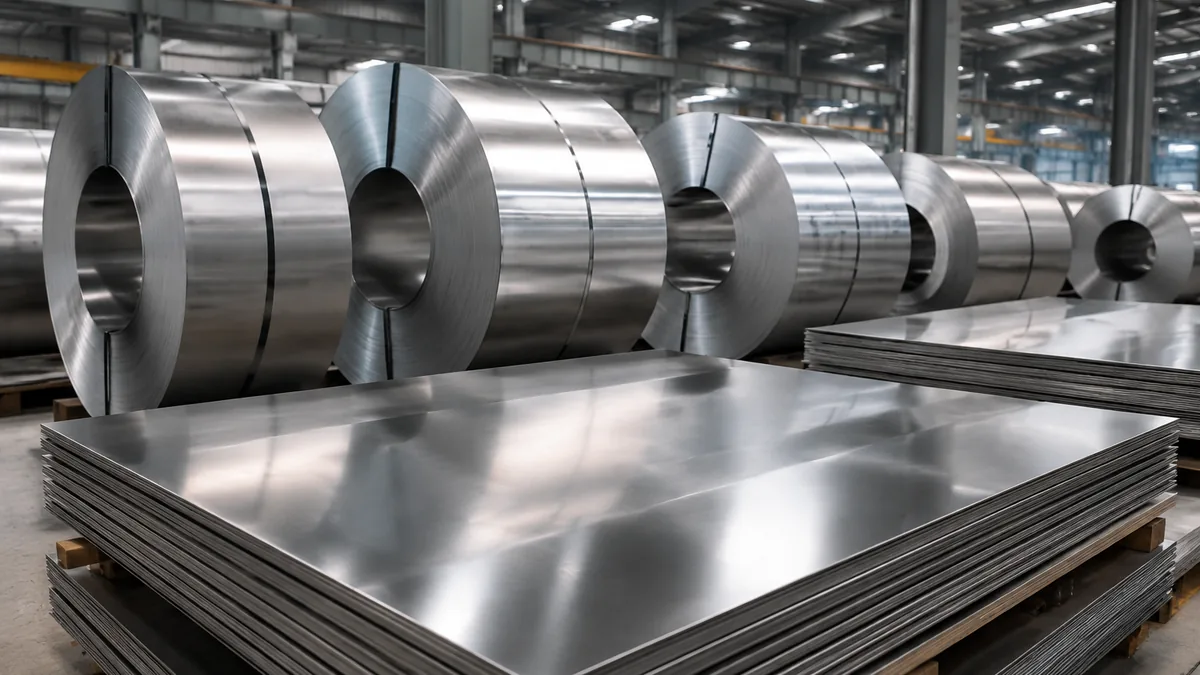
Reference image for this topic; it does not show Tsingshan Steel facilities, inventory or completed orders.
201, 304 and 316 are commonly compared for stainless steel purchasing, but grade selection depends on more than a simple ranking. Exposure, cleaning chemistry, fabrication, governing standard, product form and required service life all belong in the decision.
The short answer
201 may be considered for controlled, relatively mild environments where its lower-alloy design is acceptable. 304 is a widely specified general purpose grade. 316 adds molybdenum and is often evaluated when chloride or chemical exposure is more demanding. None of these short descriptions replaces the project corrosion review or applicable product standard.
Side-by-side purchasing comparison
| Decision point | 201 | 304 | 316 |
|---|---|---|---|
| Alloying pattern | Chromium-manganese-nickel austenitic grade | Chromium-nickel austenitic grade | Chromium-nickel-molybdenum austenitic grade |
| Corrosion-selection position | Mild, controlled exposure after review | Broad general-purpose starting point | More resistant starting point for many chloride services |
| Commercial position | Often lower alloy cost | Common reference grade | Alloy surcharge is usually higher and market-dependent |
| Buyer must still define | Environment, cleaning, finish and product standard | Product form, condition, fabrication and acceptance tests | Chloride level, temperature, crevices, fabrication and project approval |
Review the full grade pages for 201, 304, 316 and 316L. Chemistry and mechanical values must be checked against the ordered product standard and applicable condition.
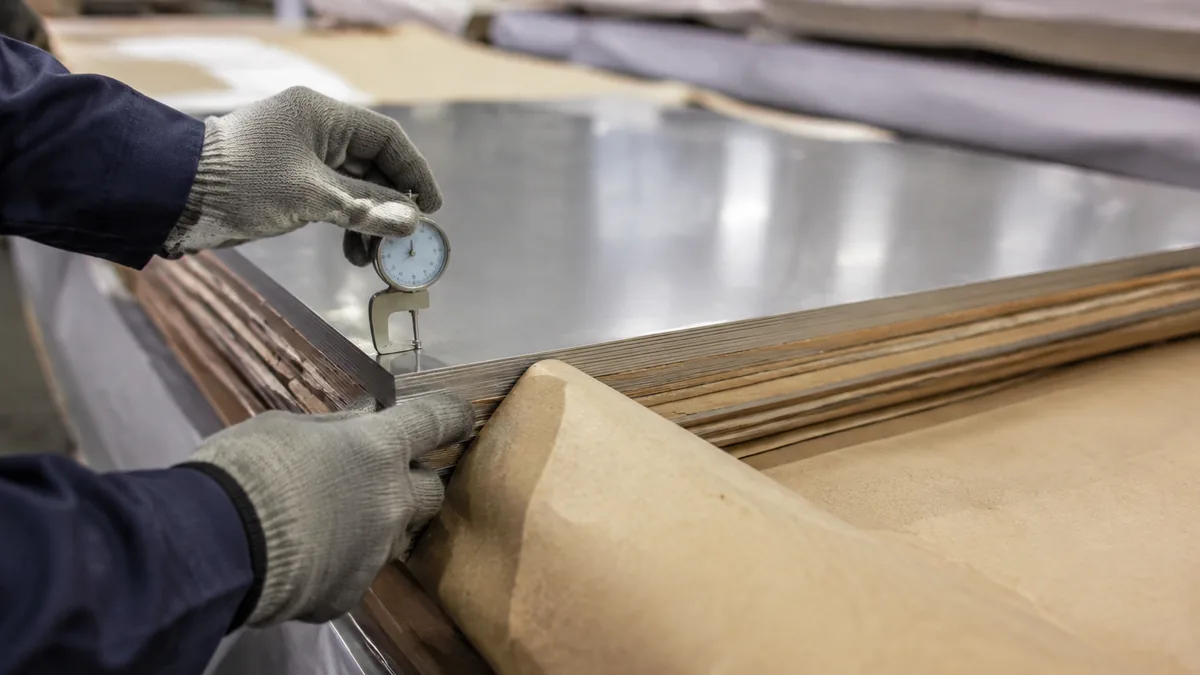
Compare the service environment before the alloy label
Write down what the material will actually see: chloride concentration, wet and dry cycles, temperature, cleaning chemicals, crevices, deposits, abrasion and whether the surface will be washed after fabrication. Indoor dry equipment and coastal process equipment are not equivalent environments. A grade that looks adequate in a dry sample may stain when salt remains in a crevice or when a weld is not cleaned. Conversely, selecting a higher-alloy grade without controlling drainage, contamination and fabrication can leave the root cause untouched.
The comparison should also include the product form. A cold-rolled sheet, a welded tube, a machined bar and a forged fitting can use related grade names but different standards, conditions and acceptance tests. Ask the supplier to quote the same form and dimensional basis for each alternative so the commercial comparison is meaningful.
Fabrication and inspection questions
201, 304 and 316 are all austenitic families, yet the forming response, work hardening, springback and welding procedure can differ by heat, thickness and condition. Put the intended bend radius, weld process, post-weld cleaning, machining allowance and visible-surface requirements in the drawing or RFQ. Do not treat a grade name as a welding procedure qualification.
For incoming inspection, match heat or lot identity, product standard, dimensions, surface and quantity. A handheld magnet is only a rough indication and can be misleading after cold work. Where grade verification is required, specify the method, sampling and acceptance basis before production. See the mill test certificate guide for traceability checks and use the grade equivalents tool only as a designation cross-reference.
A comparison RFQ that can be answered
Send one line per option: grade and designation, product form, governing standard, dimensions and tolerance, finish, quantity by size, fabrication or cutting requirement, inspection document, supplementary tests, packing, destination and requested trade term. If the project permits alternatives, request separate 201, 304 and 316 offers with the same delivery and inspection basis. The supplier can then identify which differences come from alloy, processing, testing or freight instead of mixing them into one headline price.
Use the stainless steel product families to select the correct form, then send the complete requirement for a written review.
Three buying mistakes to avoid
Selecting 201 from price alone. Outdoor, coastal, polluted or frequently cleaned service can be more severe than an indoor decorative reference. Define the actual exposure before comparing the initial material price.
Treating 316 as an automatic upgrade. A higher-alloy grade does not correct poor detailing, weld contamination, an unsuitable finish or an aggressive cleaning regime. Review the complete system rather than the grade label alone.
Trusting a magnet test. Austenitic stainless grades can show different magnetic response after cold work, so a handheld magnet is not a reliable grade-identification method. Use ordered traceability and, where agreed, a qualified PMI method under the inspection plan.
Lower-carbon variants
304L and 316L are lower-carbon variants commonly considered for welded fabrication. Confirm the applicable carbon limit, mechanical requirements, product form and any dual-certification claim against the ordered standard.
Get comparable quotations
Send the environment, temperature, cleaning exposure, product form, governing standard, dimensions, fabrication route, inspection documents and quantity. We can compare supply options against that specification; final material approval remains with the buyer and project requirements.
Send an inquiry or estimate theoretical order weights with the stainless steel calculator.
What changes the quotation besides grade
When buyers compare three grades, the alloy label is only one pricing input. Product form, thickness, width, cut length, finish, straightness or flatness, testing, document type, packing and destination can move the quotation more than a short chemistry description. Ask for each option on the same commercial basis and request any surcharge or processing assumption to be identified in the offer. A low headline material price may not be comparable if one option uses a different finish, tolerance or inspection scope.
For a repeat order, preserve the approved grade decision in the drawing and purchase order. Record the exposure assumptions, cleaning method, weld-cleaning step and acceptance sample that supported the choice. This makes a later request for 304L or 316L a controlled engineering review instead of a silent substitution driven by a new quotation.
Keep one written decision record: environment assumptions, proposed grade, product form, standard, finish, inspection plan and approving role. That record helps procurement, fabrication and receiving teams use the same grade decision after the first quote and prevents a lower-cost alternative from being treated as approved simply because its designation looks familiar.
Quote 201, 304 or 316 as separate lines with the same product form, dimensions, tests and documents. Neither PREN nor a familiar designation approves substitution. Include the decision reference, approved revision and responsible reviewer in the quotation comparison and receiving file.
Sources and application limits
This guide supports purchasing decisions. The ordered product standard, project specification and approved inspection plan control the final decision.
- ASTM A240 product scope
- ASTM A276 product scope
- EN 10088 designation boundary
Technical content updated: Jul 29, 2026
Frequently Asked Questions
Is 316 stainless steel always a better choice than 304?
No. Grade selection depends on the actual environment, temperature, fabrication, cleaning, product standard, service life and project approval requirements.
Can a magnet distinguish 201 from 304 stainless steel?
No. Magnetic response varies with composition and cold work, so it is not a reliable standalone grade-identification method.
What should an RFQ include when comparing 201, 304 and 316?
State the service environment, product form, governing standard, dimensions, finish, fabrication, testing, document, quantity and destination requirements.
Send the product form, grade and quantity from this guide. We quote the matching stainless route.
Ready to quote your stainless specification?
Send product, grade and quantity. We quote the confirmed supply route.