
Stainless Steel Finishes: 2B, BA, No.4, 8K
A stainless steel buyer guide to No.1, 2B, BA, No.4, hairline and 8K surfaces, including samples, grain direction, film and acceptance criteria.
Published Jul 22, 2026 · Technical content updated: Jul 29, 2026 ·Tsingshan (Shandong) Iron & Steel Co., Ltd.
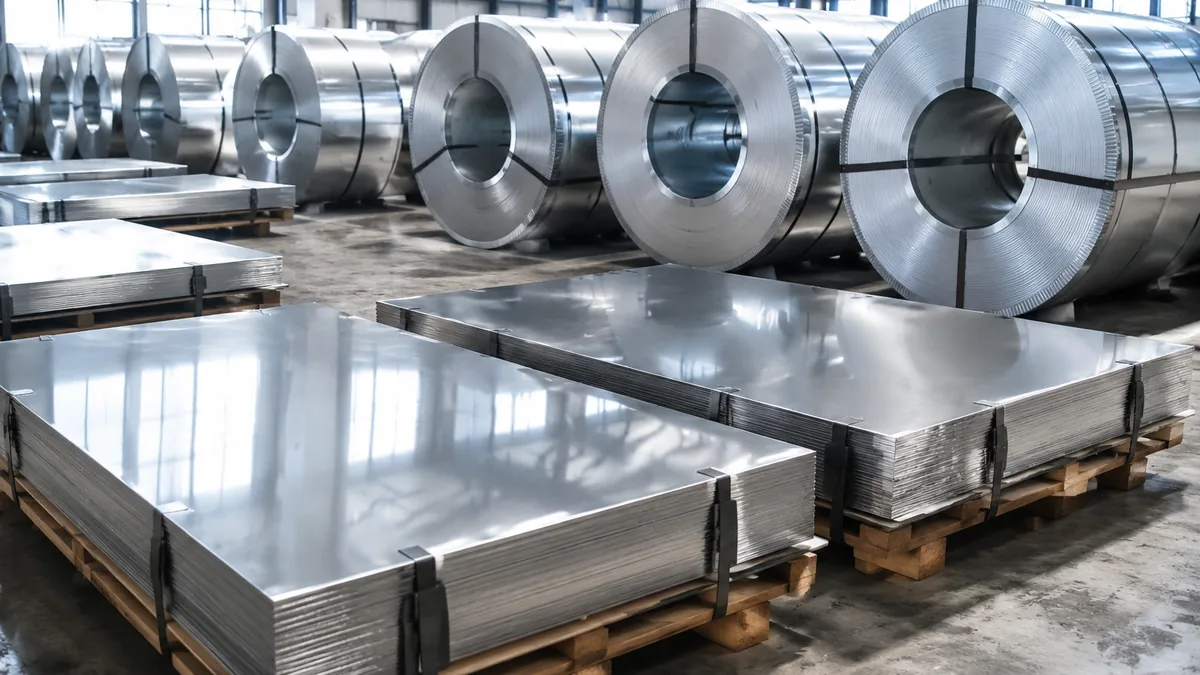
Reference image for this topic; it does not show Tsingshan Steel facilities, inventory or completed orders.
Two coils with the same grade can look and perform differently because of the surface line on the purchase order. A finish name is a useful starting point, but polished appearance varies with the mill surface, abrasive route, equipment, sample and viewing conditions.
Mill finishes
No.1 (hot rolled, annealed, pickled). A dull, comparatively rough surface associated with hot-rolled flat product. It is commonly used where function matters more than a decorative appearance. Confirm the finish designation and acceptance criteria in the governing product standard.
2B (cold rolled, annealed, pickled, skin passed). A smooth, lightly reflective mill finish widely specified for cold-rolled sheet and coil. It can be a base for further finishing or a final functional surface, subject to the cleanability, appearance and fabrication requirements of the application.
BA (bright annealed). A bright mill surface produced through a controlled annealing route. It can be more reflective than 2B, but it is not the same surface as a mechanically polished mirror. Handling marks and flatness remain part of acceptance.
Mechanically applied finishes
No.4 (brushed / satin). A directional mechanically finished surface. Commercial No.4 appearance varies with mill route, abrasive sequence, base finish and viewing conditions. Use an approved sample, grain direction and a measured roughness or gloss requirement where appearance is critical.
Hairline (HL). A long directional grain used on architectural and equipment panels. “Hairline” alone is not a complete inspection criterion; define the sample, grain direction, finished side and protection film.
No.8 / 8K (mirror). A highly reflective mechanically polished surface. Reflectivity, haze and image distortion depend on base material, polishing route and flatness. Agree a sample and handling plan before decorative work.
Common starting points by use
| Application | Common finish starting point | Confirm before ordering |
|---|---|---|
| Structural or process plate | No.1 | Pickling condition, surface defects and downstream cleaning |
| General cold-rolled fabrication | 2B | Finished side, flatness and post-fabrication treatment |
| Appliance or trim panel | BA | Reflectivity, handling marks and protective film |
| Kitchen or architectural panel | No.4 or hairline | Sample, grain direction, roughness and panel matching |
| Highly reflective decoration | 8K / mirror | Flatness, haze, sample, film and fabrication handling |
Finish feasibility also depends on grade and product form. Review ferritic grades such as 430 and 439, or duplex grades such as 2205, against the required sample and available processing route rather than assuming identical appearance.
Ordering details that prevent disputes
- State base and final finish. Do not rely on a commercial nickname alone.
- Define the inspected side and grain direction. This matters when panels are cut, bent, book-matched or installed together.
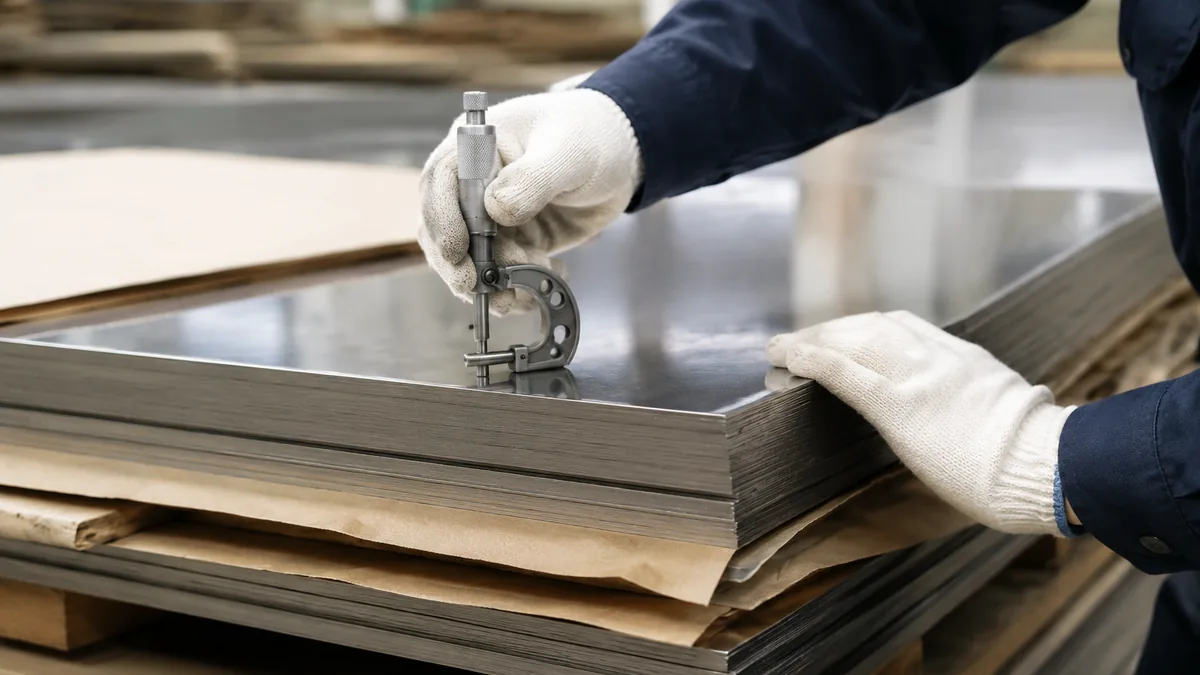
- Use a sample or measured criterion. Record sample approval, viewing light, roughness or gloss target and acceptable variation when appearance is critical.
- Coordinate surface protection. Identify film type, adhesive suitability, removal conditions, interleaving and packing without assuming one film suits every fabrication route.
- Review fabrication effects. Bending, welding, heat tint, grinding and cleaning can change the delivered surface.
- Include corrosion-service details. Roughness, contamination, drainage and cleaning all matter. Pair the finish review with the 304 vs 316 comparison and project requirements.
Use the finish library to prepare the surface line, then send the grade, dimensions, sample and acceptance criteria for an order-specific processing review.
Separate appearance from corrosion performance
Finish selection changes cleanability, reflectivity, texture and handling risk; it does not create a universal corrosion rating. Roughness, contamination, drainage, chloride exposure, temperature and cleaning chemistry still govern service behavior. A mirror surface can be damaged by a poor forming sequence, while a functional 2B surface may be the more practical choice when the part will be welded, brushed or cleaned in service. Confirm the grade and operating environment through the grade library before treating an appearance request as a material upgrade.
Acceptance method and sample control
For a non-critical industrial surface, the product standard and a clear defect limit may be sufficient. For visible panels, write the viewing distance, lighting, approved sample, grain direction, inspected side, gloss or roughness method and permitted variation. State whether the sample is a master piece, photograph or measured coupon; these are not interchangeable evidence. Record the sample revision with the drawing so a later batch is not judged against an uncontrolled image.
Packing and fabrication must preserve the accepted surface. Specify film adhesive suitability, interleaving, strap pads, edge guards, lifting points and the time limit for film removal. Welding heat tint, grinding direction, bending marks and cleaning residues should be reviewed before production, not after a decorative panel has been installed.
A finish line buyers can copy
Write: 316L cold-rolled sheet, ASTM A240/A480, 1.5 x 1250 x 2500 mm, BA base, No.4 final on visible side, grain parallel to 2500 mm edge, approved sample FS-02, Ra/gloss method stated, one-side protective film, interleaved and edge protected. Use this structure and enter the actual project requirement for each field. Then ask
for a separate note on available processing route, inspection method and
packing photos through the RFQ checklist.
Finish decisions for different fabrication routes
Laser cutting, shearing, bending, welding and polishing expose different surface risks. A protected 2B sheet may be suitable feedstock for a fabricated enclosure, while a visible No.4 panel may need the grain direction planned around every bend and joint. Mirror material is especially sensitive to handling, suction cups, straps and rework marks. Describe the sequence from incoming coil or sheet to the final installed face so the supplier can confirm which surface is supplied and which surface is created later.
For repeat production, retain the approved sample, finish line, film reference, viewing condition and defect photographs in the quality file. A finish name alone cannot preserve appearance across different base surfaces, abrasives or equipment, but a controlled sample and acceptance method can make the decision auditable.
The same record should identify the visible side, grain direction, film and packing method. This is more useful than a generic “polished” label because it gives production and inspection teams a shared reference when a replacement coil or cut panel is reviewed.
Send the grade, product form, finish name, sample or roughness, grain direction, film and quantity. We quote the matching surface route. Do not treat a mill finish name as a guaranteed appearance or a branded film package.
Sources and application limits
This guide supports purchasing decisions. The ordered product standard, project specification and approved inspection plan control the final decision.
- ASTM A480/A480M surface terminology
- EN 10088-2 flat-product surface boundary
- approved sample and roughness acceptance practice
Technical content updated: Jul 29, 2026
Frequently Asked Questions
Is a No.4 finish identical from every stainless steel mill?
No. Appearance varies with the base surface, abrasive route, equipment and viewing conditions, so critical orders should use an approved sample and measurable criteria.
Is BA the same as an 8K mirror finish?
No. BA is a bright mill finish created through its rolling and annealing route, while 8K is a commercial mechanically polished mirror description.
What should a polished-finish RFQ state?
State grade, product form, dimensions, base and final finish, finished side, grain direction, sample or roughness criteria, protective film, fabrication and packing.
Send the product form, grade and quantity from this guide. We quote the matching stainless route.
Ready to quote your stainless specification?
Send product, grade and quantity. We quote the confirmed supply route.